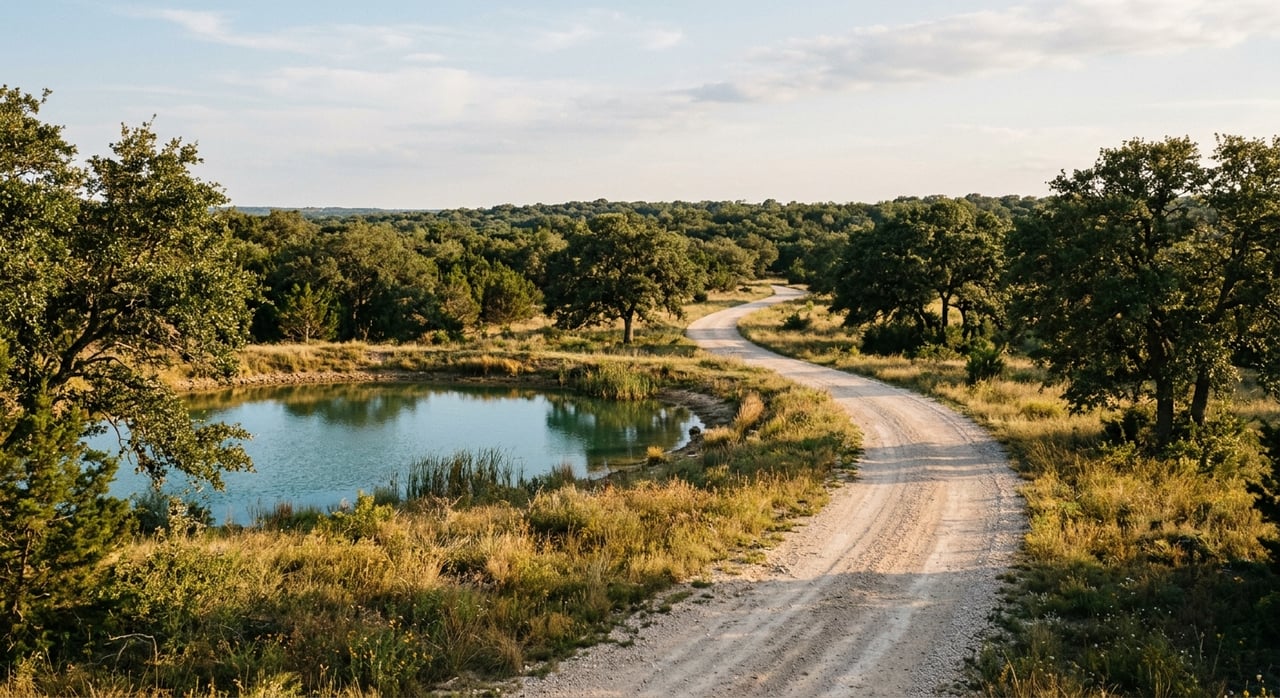
If you are looking for recreational land in Rosanky, it is easy to get pulled in by big trees, open views, or a promising trail cut. But a good-looking tract is not always a good fit for the way you want to use it. The right property needs to work on paper and on the ground, from legal access to drainage to long-term upkeep. This guide will help you evaluate Rosanky recreational land with more confidence so you can focus on tracts that truly match your goals. Let’s dive in.
Why Rosanky Appeals to Recreational Buyers
Rosanky is an unincorporated community in southern Bastrop County, located on Farm Road 535 about 11 miles south of Bastrop. According to the Texas State Historical Association’s Rosanky entry, its location along FM 535 makes road frontage, ingress, egress, and driveway layout especially important when you evaluate acreage.
For many buyers, Rosanky offers a strong mix of privacy, natural habitat, and room to create a weekend retreat, hunting setup, or simple getaway. It also sits within a part of Bastrop County shaped by rolling uplands, mixed vegetation, and wildlife-friendly cover, which can make small and mid-sized tracts especially appealing for outdoor use.
Start With Access and Legal Use
Before you think about blinds, trails, or a future cabin, confirm how you can legally reach and use the property. Bastrop County states in its no-zoning letter that it does not have general zoning authority in unincorporated areas. That does not mean anything goes.
Instead, you need to check the rules that may still affect the tract, including deed restrictions, easements, subdivision rules, floodplain requirements, driveway permits, on-site sewage rules, and address assignment requirements. If you plan to use the property for a cabin, RV setup, or hunting camp, these details matter early.
Check frontage and easements
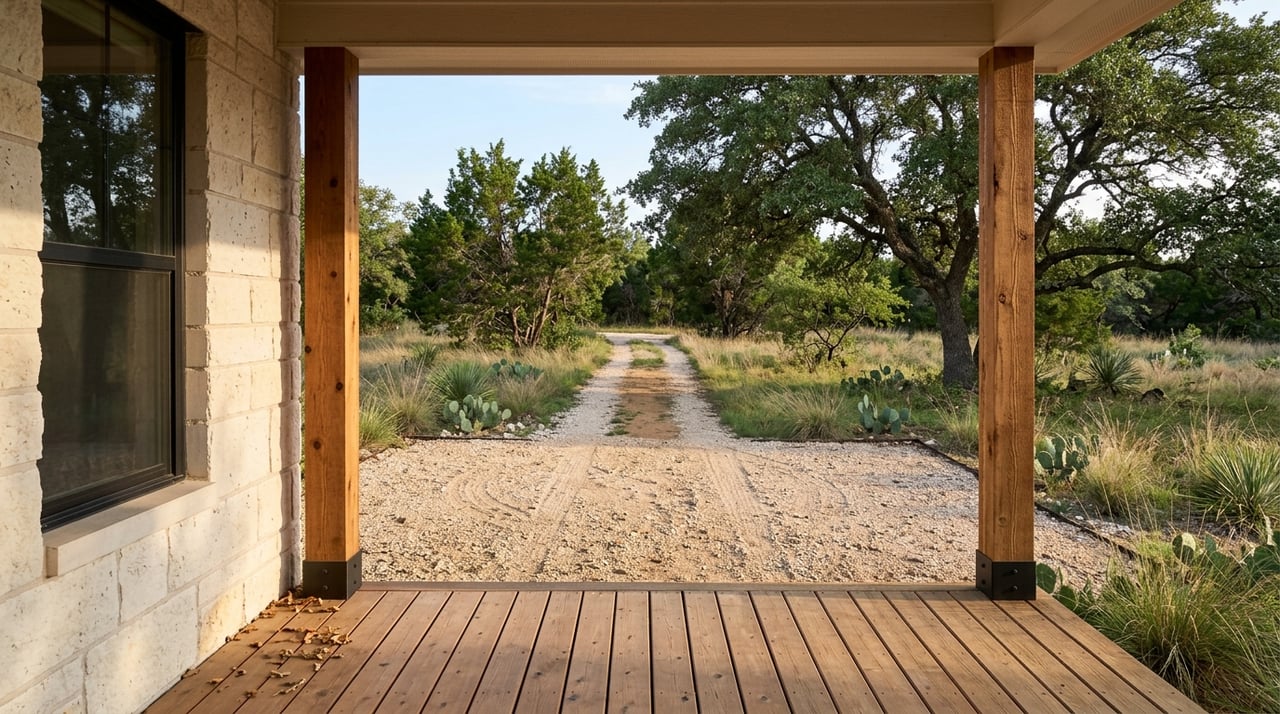
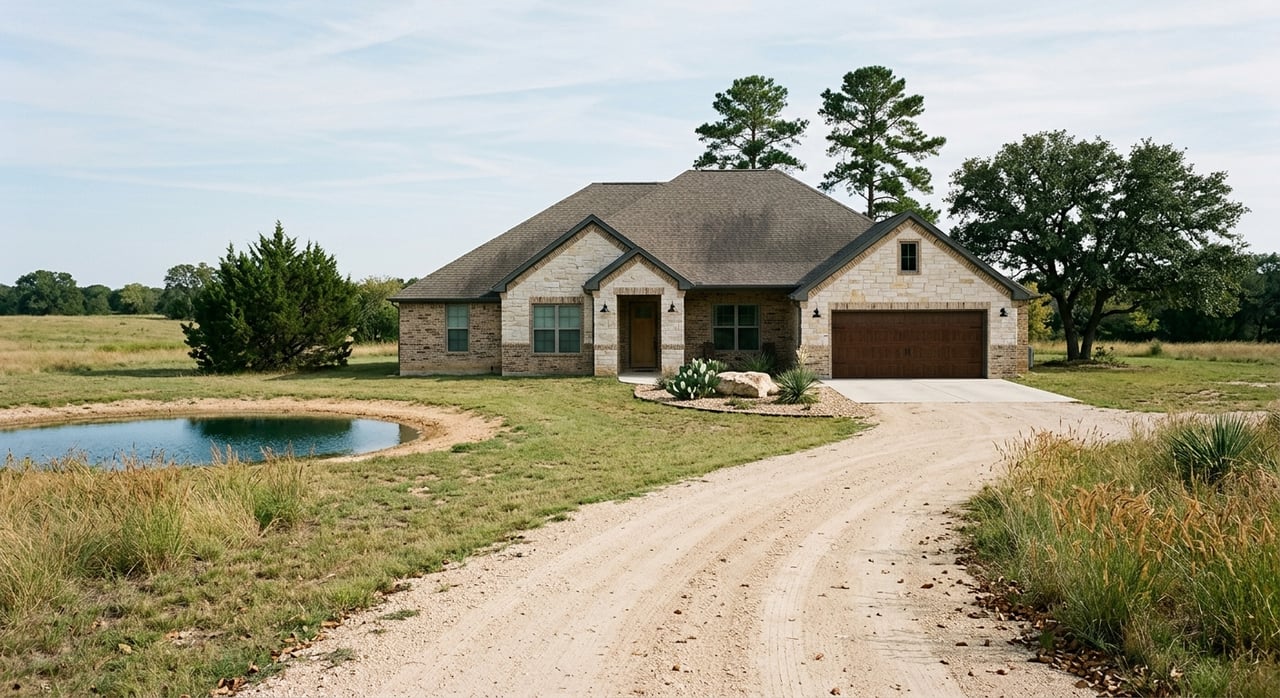
A recreational tract with direct road frontage is often simpler to use than one that relies on easement access. If a property touches FM 535 or another public road, you still need to understand how access improvements and driveway placement may work. TxDOT’s FM 535 route history helps confirm the corridor and why access planning matters in this area.
If access is by easement, review its recorded terms carefully. You want to know who can use it, how wide it is, whether utilities can follow it, and who maintains it.
Confirm what your intended use requires
If you want more than raw land, ask what approvals may be needed. Bastrop County notes that rural address assignments in unincorporated areas depend on driveway location and compliance with development, driveway, OSSF, floodplain, and land-division or subdivision rules, as explained on the county’s addressing page.
That makes early planning important. A tract may be attractive for recreation, but your intended setup still needs to fit county requirements.
Study Topography and Drainage Early
One of the fastest ways to narrow your list is to look at the ground itself. The Rosanky soil series is described by the USDA as very deep, well drained, and moderately slowly permeable, with slopes ranging from 1% to 8%, and Bastrop County terrain is generally rolling uplands and broken hills, according to the USDA soil series description.
That combination can be helpful for recreation, but it also means each tract should be evaluated for driveway grade, erosion risk, and where a level pad or parking area may actually work. A property can have beautiful tree cover and still present challenges after heavy rain.
Use county mapping tools
Bastrop County provides LiDAR-based contour data and mapping tools that can help you identify high ground, drainage swales, low spots, and possible trail routes. The county’s 10-foot contour layer is a useful first-pass tool when comparing land.
These maps are informational and not a survey, but they can help you spot obvious issues before you spend time on a deeper review. For recreational buyers, that can save effort and steer attention toward more usable tracts.
Review flood risk carefully
Flood review should be part of every Rosanky land search. Bastrop County states on its floodplain page that development permits are required for all development in the unincorporated county, with different permit classes based on mapped floodplain status.
The county also notes that even moderate and minimal flood-risk areas can still flood due to localized drainage problems. In practical terms, that means you should not rely only on a quick map glance. You want to understand whether the usable part of the tract stays functional after storms.
Look at Habitat, Not Just Appearance
Recreational value often comes down to habitat structure, not just scenery. Bastrop County lies in the Post Oak Savannah and Blackland Prairie transition, and the Lost Pines influence much of the area’s ecology. Bastrop County’s Community Wildfire Protection Plan describes the Lost Pines as a large loblolly pine region with a mosaic of pines, oaks, shrubs, grassland, and flowering plants.
That mix can support a wide range of recreational use, from hunting and wildlife viewing to trail riding and general weekend enjoyment. But the actual value of any one property depends on how that habitat shows up on the ground.
What to look for in cover
A tract with only one vegetation type may be less versatile than one with a mix of brush, open lanes, wooded sections, and edge habitat. Texas Parks and Wildlife’s Bastrop nature page notes common wildlife in the Bastrop Lost Pines area, including white-tailed deer, rabbits, squirrels, opossums, and armadillos.
For many buyers, mixed cover tends to be more useful than a tract that is either fully open or overly dense. Openings can support movement and visibility, while wooded areas and brush can provide shelter and travel corridors.
Know the limits of a wildlife assumption
Wildlife activity on nearby land does not guarantee the same activity on the tract you are considering. Water access, cover diversity, pressure from nearby activity, and overall layout all affect how wildlife uses a property.
TPWD also notes on its Bastrop nature page that the area’s sandy soils provide critical habitat for the endangered Houston toad. That makes it wise to approach land use with care and to verify any property-specific considerations during your due diligence.
If Hunting Matters, Verify the Rules
If hunting is one of your main reasons for buying, check current county-specific regulations before making assumptions. TPWD’s Bastrop County regulations page lists current rules for white-tailed deer in the North Zone, antler restrictions, reporting requirements for certain antlerless harvests, and spring wild turkey rules with mandatory harvest reporting.
This matters because a tract can look like strong hunting land but still require a specific strategy based on season structure and reporting obligations. It is better to understand the rules up front than to build plans around outdated assumptions.
Consider wild pig pressure too
Wild pigs can change the way a recreational tract performs. According to TPWD’s feral hog guidance, feral hogs can root soil, increase erosion, damage fences and irrigation, reduce water quality, and disturb wildlife.
If you see rooting, wallows, damaged fencing, or worn travel corridors, factor that into your management budget and expectations. A tract with heavy hog pressure may still work well, but it usually comes with added upkeep.
Water and Utilities Shape Weekend Use
A tract does not need a lake to be useful, but it does need a realistic water picture. Bastrop County’s wildfire plan notes that county water resources include the Colorado River, tributaries such as Cedar Creek and Big Sandy Creek, several lakes, and the Carrizo-Wilcox Aquifer, as outlined in the county wildfire plan.
For an individual property, you want to verify whether it depends on a well, a pond, or simple surface drainage. That can affect recreation, wildlife support, maintenance needs, and your overall sense of whether the tract works as a true weekend retreat.
Don’t Overlook Wildfire and Ongoing Maintenance
A recreational property is not just something you buy. It is something you maintain. Bastrop County’s Community Wildfire Protection Plan says annual rainfall averages 35 to 37 inches, summers are hot and humid, winters are generally dry, and drought is a major climatic issue.
The same report explains that seasonal rains can create heavy foliage that later becomes wildfire fuel during dry periods. For many Rosanky buyers, that makes brush control, fuel breaks, and slash management part of responsible ownership.
Ask yourself how much work you want
Some buyers want a rugged tract they can improve over time. Others want a property they can start using right away with limited effort.
That difference matters. A beautiful but overgrown property may require more time and money than a simpler tract with established access, manageable brush, and better drainage.
A Simple Rosanky Land Evaluation Rubric
When you compare properties, it helps to use the same checklist every time. Based on Bastrop County and TPWD guidance, a practical way to evaluate Rosanky recreational land is to review access first, then topography and drainage, then habitat structure, then water, then management burden.
Here is a simple field-ready version you can use:
- Access: Does the tract have legal road frontage or recorded easement access?
- Driveway potential: Is there a reasonable location for safe entry and parking?
- Topography: Does the land have usable high ground and workable slopes?
- Drainage: Are there low areas, swales, or floodplain concerns?
- Habitat mix: Does it offer a balance of cover, openings, and movement corridors?
- Wildlife potential: Does the current habitat support your recreational goals?
- Water: Is there a reliable water source or realistic plan for one?
- Management load: How much brush work, erosion control, or hog management will it need?
- Future use: Will county rules and site conditions support the way you want to enjoy the land?
The strongest tract is not always the one with the prettiest first impression. It is usually the one that combines legal access, practical usability, solid habitat, and a level of upkeep that fits your time and budget.
How Rodgers Realty Team Can Help
Buying recreational land in Rosanky takes more than a quick tour and a good feeling. You need local guidance that helps you think through access, land use, habitat, and long-term fit with your goals.
That is where a hands-on land-focused approach matters. The Rodgers Realty Team helps buyers across Central Texas evaluate acreage with a practical, stewardship-minded perspective so you can move forward with more clarity. If you are comparing Rosanky land and want experienced guidance, schedule your free property consultation.
FAQs
What should you check first when buying recreational land in Rosanky?
- Start with legal access, road frontage or easement terms, and any county or deed-related limits on how you plan to use the land.
How do you evaluate flood risk on recreational land in Rosanky?
- Review Bastrop County floodplain resources, compare contour mapping, and look beyond mapped flood zones because localized drainage problems can still affect usable areas.
What wildlife can you expect on recreational land near Rosanky?
- Bastrop County habitat may support white-tailed deer, rabbits, squirrels, opossums, armadillos, birding opportunities, and other general wildlife viewing, depending on the tract’s cover and water.
What rules matter if you want to hunt on Bastrop County land?
- You should verify current TPWD Bastrop County regulations for deer and turkey, including season structure, antler restrictions, and any required harvest reporting.
Can you build a cabin or set up an RV on land in Rosanky?
- Possibly, but you need to verify deed restrictions, driveway requirements, floodplain rules, on-site sewage requirements, and address assignment standards before assuming your setup will work.