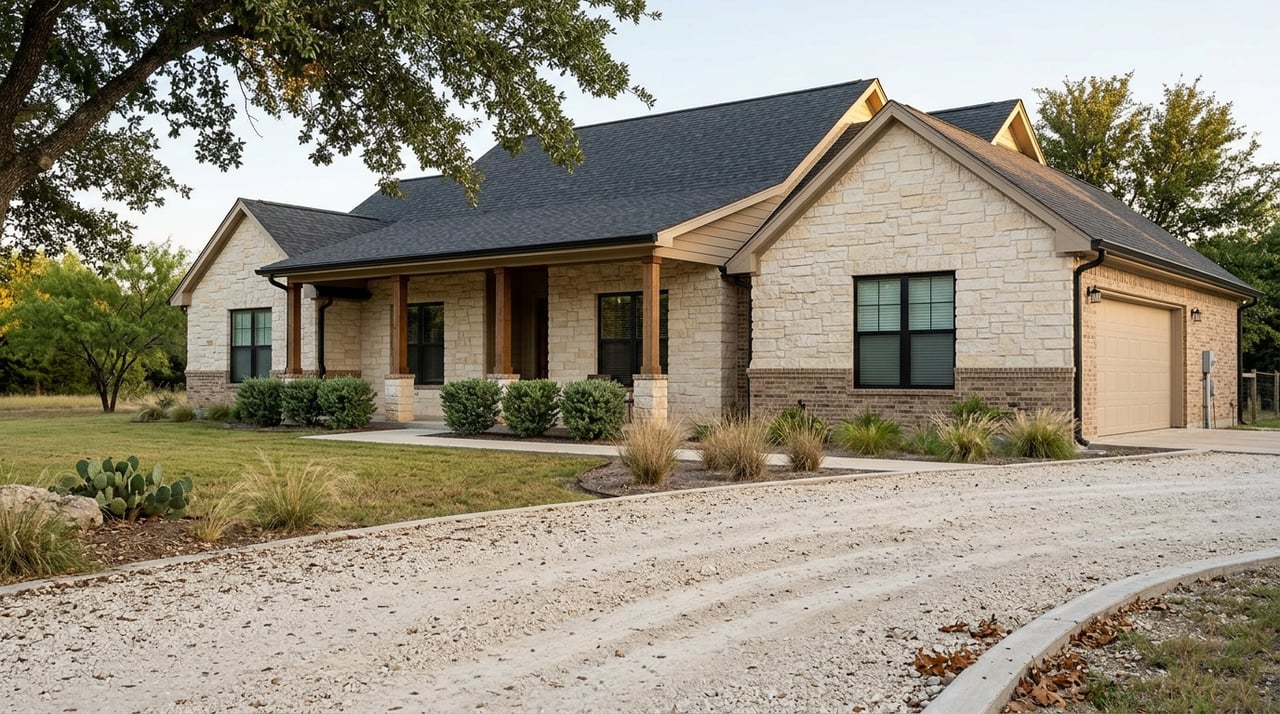
Selling a long-held ranch near Gonzales is rarely a simple "list it and see what happens" decision. If your property has been in the family for years, you may be balancing land value, title questions, tax concerns, and family expectations all at once. The good news is that with early planning, you can reduce surprises and put yourself in a stronger position before your ranch hits the market. Let’s dive in.
Why early planning matters
A legacy ranch sale often involves more than setting an asking price. In Texas, land values can vary based on location, land use, tract size, and proximity to growth areas, according to Texas Land Trends. That means your ranch near Gonzales may appeal to different buyers depending on how the land is currently used and how it can legally be sold.
Texas Land Trends also reports that Texas lost nearly 3.7 million acres of working lands from 1997 to 2022, while average appraised market value rose 55% since 2017. Those trends show why timing, documentation, and positioning matter. Buyers are paying close attention to what a property offers today and what it may support in the future.
Start with family alignment
Before you think about marketing, it helps to get clear on who has authority to sell and whether everyone involved is on the same page. Legacy properties often come with shared ownership, inherited interests, or unresolved estate details that can slow down a transaction.
Texas A&M AgriLife explains that an affidavit of heirship can help document surviving relatives when real property is a main asset, though it is not the right fit when heirs are unknown. The same source notes that title companies often want two disinterested witnesses, and the affidavit is filed with county property records.
This is one reason estate cleanup should happen early. If ownership questions come up after you go to market, they can delay showings, negotiations, and closing.
Clean up title issues before listing
Title work is especially important on older ranches. Inherited land may include gaps in records, unresolved transfers, or confusion about what is actually being conveyed.
Texas A&M AgriLife also notes that tools like transfer-on-death deeds, life estate deeds, and Lady Bird deeds can transfer property outside probate, but those documents must be completed before death. For current sellers, the main lesson is simple: if your ranch has passed through generations, confirm the current legal ownership before you list.
Another key issue is mineral ownership. According to Texas A&M AgriLife’s guidance on mineral rights, mineral rights may have been severed from the surface estate, sometimes many years ago. You will want to know whether a buyer is getting surface rights only or any mineral interest as well.
Understand ag valuation and rollback taxes
If your ranch has agricultural or open-space appraisal, you need to understand how a sale or change in use could affect taxes. The Texas Comptroller’s ag and timber property tax guidance says qualifying land must be currently devoted principally to agricultural use and meet the five-of-seven-year test.
The same guidance explains that a change to non-agricultural use can trigger rollback tax for the previous three years. For many sellers, this becomes a major planning point. If a buyer intends to change the use of the land, that potential tax impact may shape negotiations.
Timing matters here too. The Texas Comptroller’s property tax deadline calendar lists April 30 as the deadline for many special appraisal applications or notices that land no longer qualifies. If you are planning a sale near that date, it is smart to review your status well in advance.
Decide whether to sell whole or divide
Some families sell a ranch as one tract, while others consider carving off acreage. That choice can affect value, marketability, and preparation costs.
In Gonzales County, dividing land can require more than a handshake and a sketch. The county states that, in general, a person dividing property must have a subdivision plat prepared and submit it to Commissioners Court through its subdivision exception application process. The county materials also note a $100 non-refundable fee, a signed application from the legal owner, and a survey or sketch plan showing lot boundaries, adjacent roads, and adjacent property owners.
That means a survey is not just a nice item for buyers to review. In many cases, it is part of the county approval path. If your property is within the City of Gonzales, city zoning and development applications may also matter.
Get your survey and records ready
A strong ranch sale starts with a solid document package. Buyers for larger land tracts often move faster when they can review key records early.
For a Gonzales-area legacy ranch, that may include:
- Current deed and ownership records
- Existing survey or a new survey if boundaries need to be confirmed
- Ag valuation information
- Septic or on-site sewage facility records, if applicable
- Information on mineral or surface-right exceptions
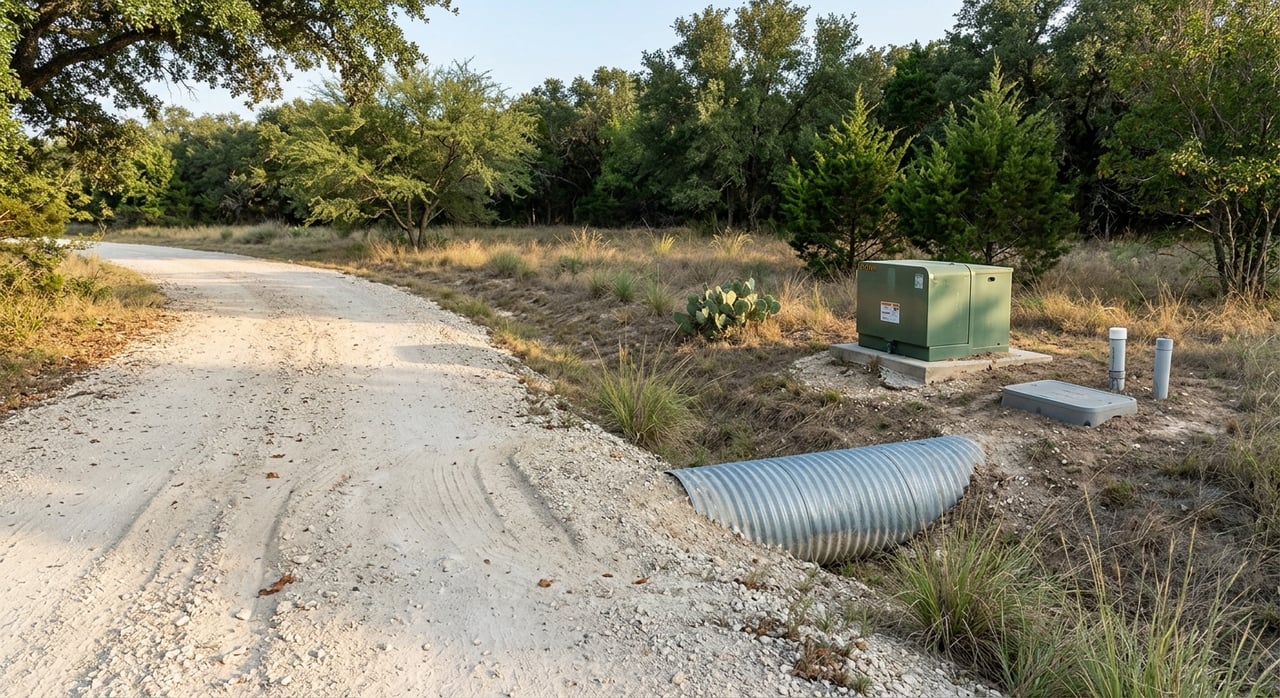
- Notes on access, easements, or any pending subdivision plans
Texas A&M AgriLife’s Owning Your Piece of Texas course topics offer a helpful snapshot of the issues rural owners are expected to understand, including special use tax valuation, access to property, oil and gas law, and estate planning documents. That list works well as a practical seller checklist too.
Check septic and site systems early
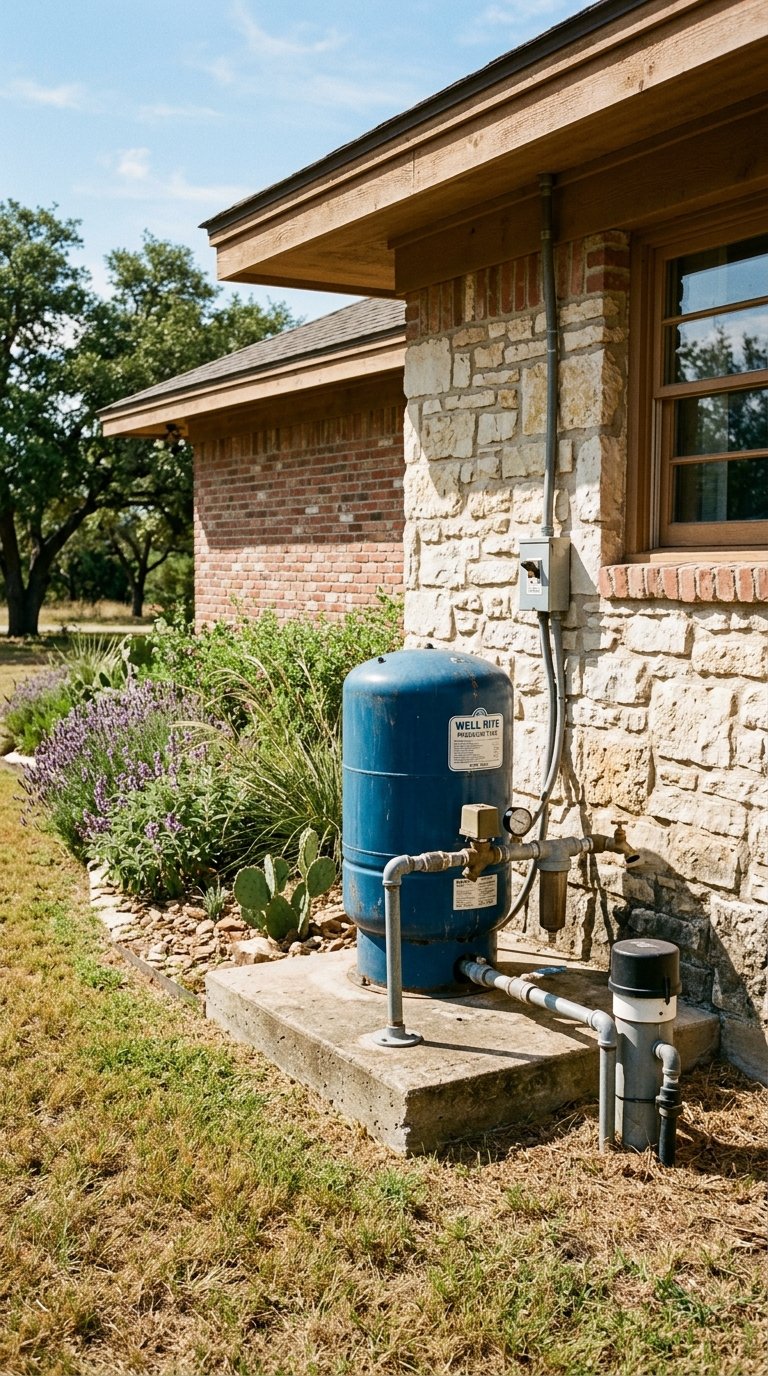
If the ranch includes a home, guest house, or other occupied improvements, septic review should happen before you list. Buyers will often ask whether the system was permitted and whether records are available.
The Texas Commission on Environmental Quality states that permits are required for on-site sewage facilities, including septic systems and holding tanks. TCEQ also notes that local permitting programs may be stricter than state minimums, which matters when you are preparing rural property for sale in Gonzales County.
Even if a system appears to be working fine, documentation matters. Missing records can create delays when a buyer starts due diligence.
Prepare the ranch for showings
Legacy ranch preparation is not just about mowing and photos. Buyers notice whether the property looks cared for, usable, and ready for a smooth handoff.
Texas A&M AgriLife’s wildfire preparation guide recommends removing leaves and debris from roofs and gutters, moving flammable materials away from exterior walls, and creating defensible space around structures. For sellers, this same work supports both safety and presentation.
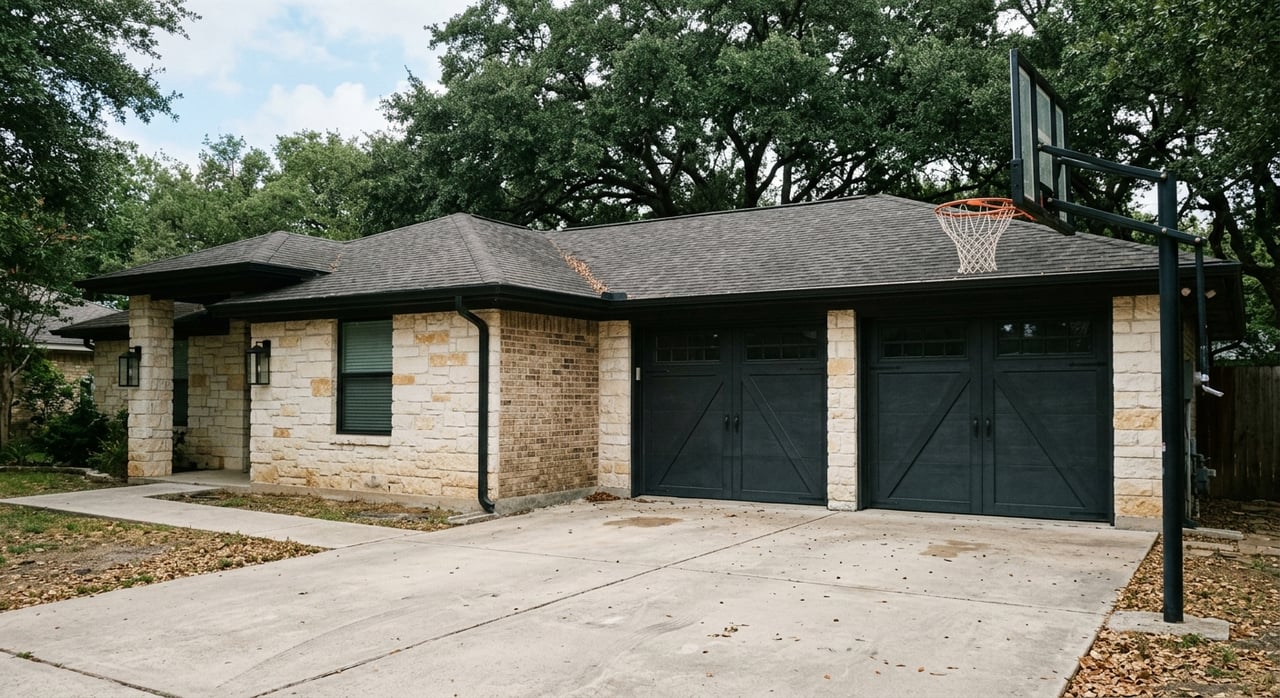
You may also want to focus on visible problem areas around the headquarters, barns, sheds, and main drive. A cleaner, better-organized property can help buyers focus on the land itself rather than deferred maintenance.
Match the marketing to the buyer
Not every ranch should be marketed the same way. The right buyer pool depends on the tract’s size, use, location, access, and legal flexibility.
Texas Land Trends points out that demand near growth areas and transportation corridors can increase land values and increase pressure to subdivide or sell working lands. Around Gonzales, that means your ranch may attract interest from working land buyers, recreational or lifestyle buyers, or, if the tract can legally be split, buyers looking for smaller acreage opportunities.
This is why a one-size-fits-all listing strategy can miss the mark. A legacy ranch often needs a clear story supported by accurate documents, strong visuals, and focused outreach to the buyer most likely to value the property as it sits.
Build a stronger listing package
For many ranch buyers, confidence comes from clarity. When your listing package answers likely questions up front, you create a smoother experience and reduce avoidable back-and-forth.
A strong package may include boundary visuals, survey materials, tax valuation details, septic information, title context, and clear notes on what conveys with the sale. This kind of preparation also supports premium marketing tools like drone photography, video, and property-specific digital presentation.
If you are planning to sell a legacy ranch near Gonzales, the goal is not just to get on the market quickly. It is to enter the market prepared, with the right information and a strategy that fits your land, your timeline, and your family’s goals.
When you are ready to talk through next steps, Rodgers Realty Team can help you prepare your property, organize the details that matter, and create a marketing plan built for Central Texas land.
FAQs
Do all heirs need to agree before listing an inherited ranch near Gonzales?
- Ownership and authority to sell should be confirmed before listing, especially for inherited property with multiple family interests or unresolved estate records.
Do you need a new survey to sell or divide a ranch in Gonzales County?
- A current survey can be important for a sale, and Gonzales County states that dividing property generally requires a subdivision plat or related survey materials as part of the approval process.
Can selling a ranch near Gonzales trigger rollback taxes?
- Yes, the Texas Comptroller says a change to non-agricultural use can trigger rollback tax for the previous three years if the land had agricultural or open-space appraisal.
Are septic systems part of due diligence for a Gonzales ranch sale?
- Yes, buyers often ask about septic permits and records, and TCEQ requires permits for on-site sewage facilities such as septic systems and holding tanks.
Do mineral rights automatically transfer with a legacy ranch sale in Texas?
- Not always, because Texas A&M AgriLife notes that mineral rights can be severed from surface ownership, so sellers should confirm exactly what interests are included in the sale.