Setting the right price for your acreage in Dale can feel like guesswork. You know your land is special, but buyers look at features and facts that are easy to overlook. If you price too high, you sit on the market. If you price too low, you leave money on the table. In this guide, you’ll learn exactly how buyers evaluate rural land in Central Texas, which features matter most, and how to build a smart pricing strategy for your property. Let’s dive in.
What drives acreage prices in Dale
Dale sits in a rural pocket of Central Texas where buyers come for space, privacy, and lifestyle. Demand often comes from a few groups:
- Lifestyle and residential buyers who want a buildable homesite with utilities and good access.
- Agricultural and hobby ranch buyers who value usable pasture, fencing, and water for livestock.
- Recreational buyers who prioritize wildlife habitat, cover, and water features.
- Investors or small developers who seek larger tracts with road access and potential to subdivide, though this is less common on small parcels.
Your best price comes from understanding which buyer group your tract fits and positioning the property to that audience.
Size bands and per-acre pricing
Per-acre value is not linear. Smaller tracts often command higher prices per acre than large ranches because they fit more buyer needs and cost less to carry.
Small tracts: 1 to 20 acres
These “ranchettes” or homesites often draw residential buyers. Utilities, paved or maintained road access, and a clear buildable area matter a lot. Attractive tree cover, gentle slopes, and ready-to-build conditions can move a small tract into a higher per-acre band.
Mid-size tracts: 20 to 50 acres
This range serves both lifestyle and agricultural buyers. Usable pasture, cross-fencing, and water sources gain importance. Buyers still want a reasonable homesite and good ingress, but ranch attributes carry more weight.
Large tracts: 50 acres and up
Large ranch buyers assess productive capacity, water infrastructure, internal roads, and overall usability. Per-acre pricing is typically lower than small tracts because the buyer pool is smaller and improvement costs scale up.
Access and legal ingress
Access is one of the first things buyers confirm and it has a major price impact.
Road frontage and condition
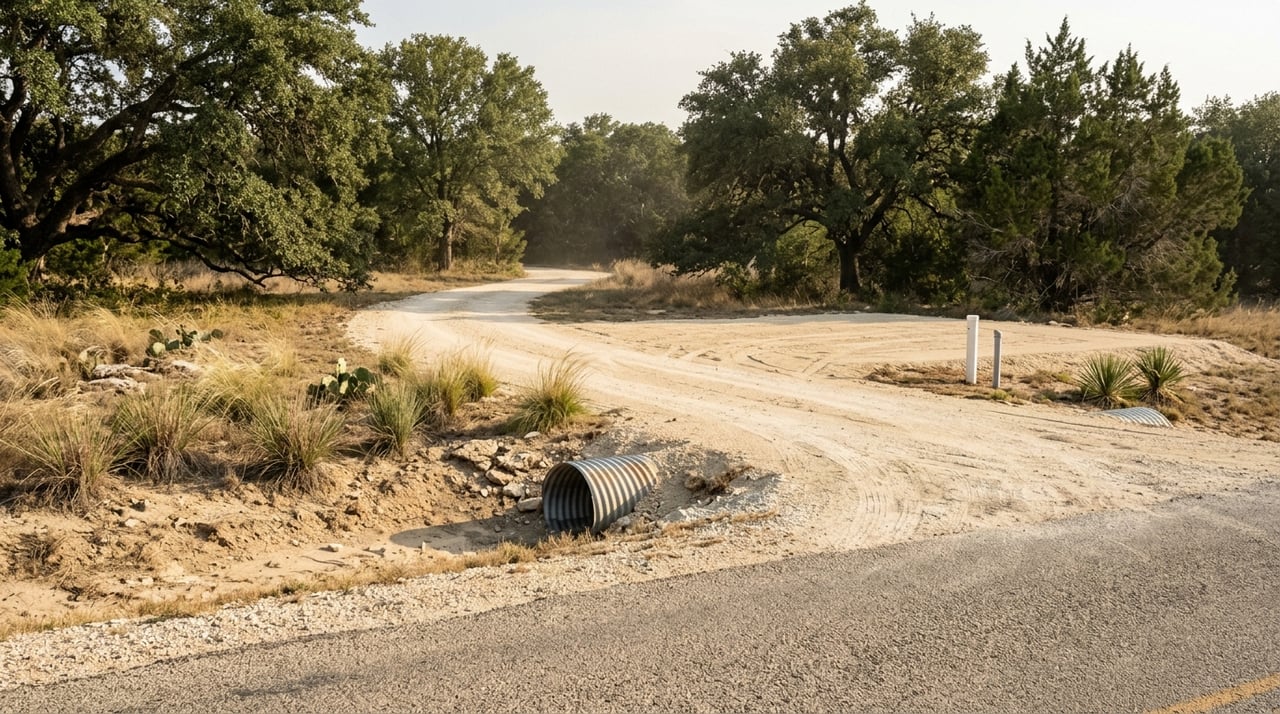
- Paved county road frontage or a short, well-maintained approach increases confidence and marketability.
- Deeded road frontage is preferred. A recorded, clear easement can still work, but uncertainty or disputes reduce the buyer pool and price.
- Long private drives across other parcels, or access dependent on another owner’s maintenance, are often discounted.
Documentation to have ready
- Recorded easements and any shared road agreements.
- Clarification on who maintains the access road if it is private.
Utilities and serviceability
Utilities are a top priority for residential and small-tract buyers and a meaningful factor for larger tracts.
Power and water
- Electric service at the boundary or on-site is a plus. If lines must be extended, expect buyers to factor the cost into offers.
- Public water availability can command a premium. If relying on a well, buyers want depth, yield, and water quality details.
Sewer and septic
- Access to a sewer line increases value for homesites. Otherwise, buyers look for septic suitability and any perc or soil test results.
Broadband and cell
- Reliable internet is increasingly important for remote work. Limited service can reduce the buyer pool, especially on small homesites.
Usable acres, shape, and layout
Buyers pay for usable acres, not just total acres. A well-shaped tract with logical fence lines and clear building areas usually merits stronger offers.
- Narrow or irregular parcels can be harder to develop and fence.
- Powerline or pipeline easements may limit placement of structures and reduce perceived usability.
- Presenting a simple map that highlights buildable zones and setbacks helps buyers see the value.
Topography, drainage, and soils
Gentle slopes and broad benches are ideal for homesites and pasture. Steep or uneven terrain can increase site prep costs and reduce usable acres.
Floodplain and drainage
- Properties within FEMA floodplains or floodways may face building limitations and higher insurance costs. Checking your status on the FEMA Flood Map Service Center helps set expectations and support your price.
Soils and septic feasibility
- Soil type influences pasture productivity and septic suitability. Use the NRCS Web Soil Survey to identify soil units and discuss with buyers or inspectors.
Vegetation, tree cover, and habitat
Mature hardwoods and scenic cover are attractive to residential buyers. For agricultural buyers, dense cedar can reduce pasture productivity and introduce clearing costs. Recreational buyers may prefer a blend of cover and open areas for wildlife. If clearing is considered, weigh the cost against likely buyer preferences before you start.
Improvements and infrastructure
Quality improvements can add meaningful value, especially when aligned with the target buyer.
- Agricultural: perimeter and cross-fencing, corrals, barns, livestock water, and stock tanks or ponds.
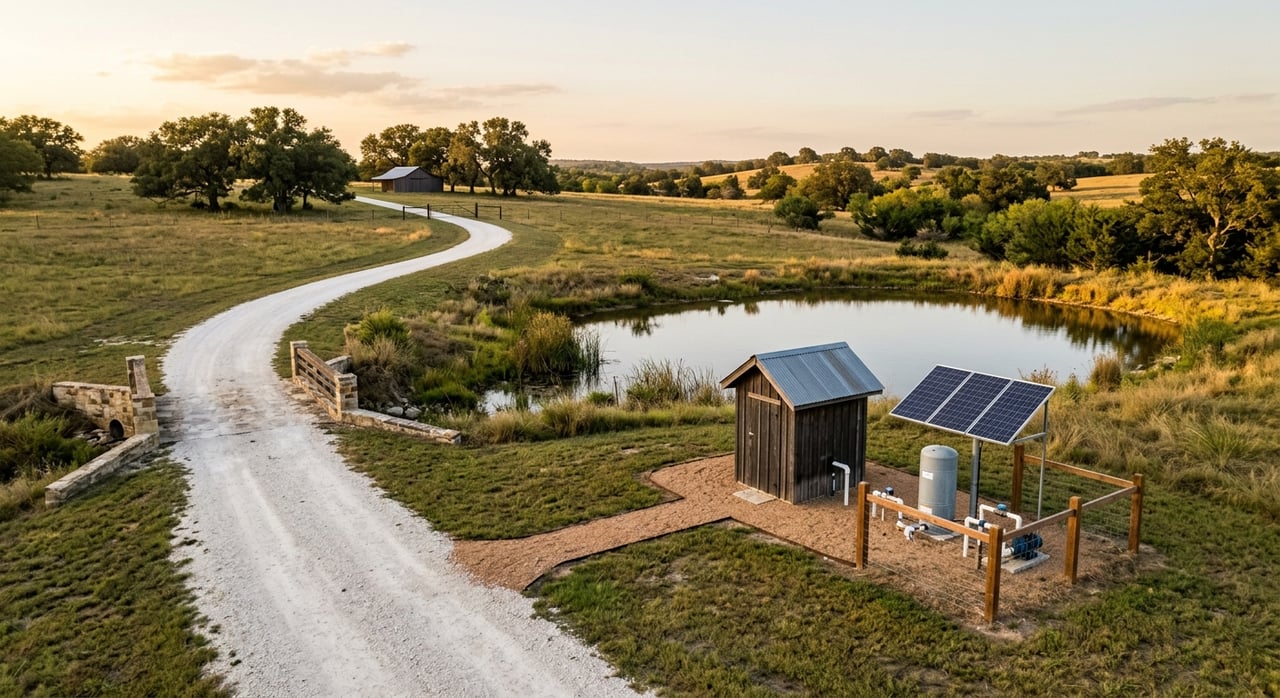
- Residential: graded driveway, homesite clearing, well and septic (with documentation), and basic power infrastructure.
- All buyers: internal roads that allow easy access to the usable acres.
Note that older or highly specialized improvements can narrow the buyer pool. Be ready to show maintenance records and condition details.
Legal items, easements, and mineral rights
Clarity reduces closing friction and helps you defend your price.
- Title and deed history: clean, current records make a difference.
- Easements: pipeline and utility easements can restrict use. Provide recorded documents and maps if available.
- Mineral rights: retained minerals or active leases can deter some buyers or lead to price adjustments. Disclose the status early to avoid renegotiation.
Agricultural valuation and taxes
In Texas, properties under an agricultural appraisal typically benefit from lower property taxes. If use changes after a sale, buyers should understand potential rollback taxes. Confirm specifics with the county appraisal office and state rules to set accurate expectations. For general background, the Texas Comptroller publishes guidance on agricultural appraisal and rollback tax considerations.
A step-by-step pricing framework
Follow this process to set a strong, defensible price for your Dale acreage.
1) Gather key documents
- Deed, recent survey, and legal description.
- County tax and appraisal records and ag-valuation status.
- Recorded easements, covenants, and any restrictions.
- Mineral rights documentation and any lease details.
- Utility maps and provider contacts; well logs, yield tests, and septic or perc tests.
- FEMA flood map status and any known encumbrances.
- Maintenance records for roads, fencing, and improvements.
2) Build a land-specific comp set
Use recent rural land sales near Dale that match your size band, access type, utilities, and improvements. Adjust for:
- Size band and intended use.
- Proximity to towns and services.
- Paved vs. gravel road and legal ingress clarity.
- Utility availability, water sources, and septic feasibility.
- Improvements, habitat quality, and overall usability.
Cross-check deeds and recorded sale information when possible. Quality comps help you defend your list price and negotiate with confidence.
3) Weigh major, moderate, and minor factors
Create a checklist and rank features by impact:
- Major: legal access, potable water availability, septic feasibility, significant floodplain constraints, active mineral leases.
- Moderate: paved frontage, documented well yield, quality fencing and internal roads, buildable benches or views.
- Minor: tree species mix, small barns or sheds, cosmetic fencing repairs.
Use these rankings to move your per-acre target up or down within your size band.
4) Match the target buyer
Price and market to the buyer who will pay for your property’s strengths.
- Ready homesite with utilities: lead with buildability and comfort features.
- Working or hobby ranch: highlight fencing, pasture, water, and access.
- Recreational tract: show cover, water features, and internal roads.
5) Bring in specialists when needed
- Rural land appraiser for complex or high-value tracts.
- Licensed surveyor for boundary or acreage confirmation.
- Civil or geotechnical consultant for challenging septic, drainage, or grading.
- Title attorney for mineral reservations or complicated easements.
6) Pricing tactics that work
- Set a list price tied to the most likely buyer. Keep your comp adjustments and documentation ready.
- Consider selling as a whole or testing interest in subdivided offerings if practical and compliant.
- Be transparent about utilities, easements, and mineral rights to avoid late-stage price cuts.
Seller prep checklist
Use this quick checklist to prepare your property for market and support your asking price.
- Map usable acres and buildable zones with setbacks and flood overlays.
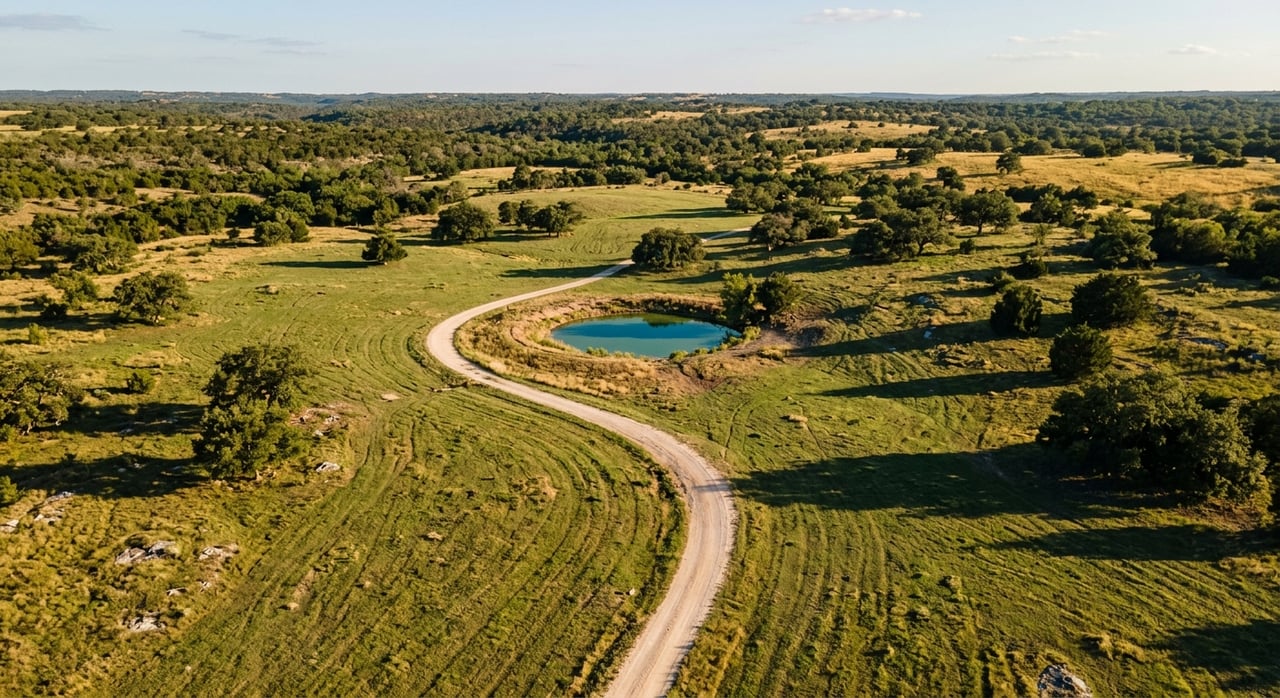
- Capture aerial and drone images to show shape, trees, roads, and topography.
- Gather well, septic, and utility records to reduce buyer uncertainty.
- Document recent maintenance: fencing, roads, brush clearing, and water infrastructure.
- Prepare a one-page feature list tailored to your target buyer.
Local tools to verify details
These resources help you and your buyers validate key factors and reduce friction during due diligence:
- Check flood risk and floodway boundaries on the FEMA Flood Map Service Center.
- Review soils and septic suitability clues on the NRCS Web Soil Survey.
- Consult Texas A&M AgriLife Extension for neutral guidance on rural land and pasture management best practices.
When to call in a local pro
If your acreage includes complex access, floodplain, mineral reservations, or mixed improvements, a locally informed strategy pays off. A team that understands Central Texas buyer profiles, county-level processes, and tract marketing can help you avoid mispricing and missed opportunities.
You do not have to figure this out alone. If you want a clear pricing plan, a polished presentation, and targeted outreach to the right buyer pool, connect with the Rodgers Realty Team. We offer a free property consultation and a hands-on, locally grounded approach tailored to acreage sellers in and around Dale.
FAQs
How do buyers value acreage in Dale, TX?
- Buyers weigh size band, road access, utilities, usable acres, and improvements, then compare against recent local land sales with similar features.
What if my tract lacks water or power?
- Lack of reliable water or nearby power can be a major hurdle for residential buyers and a moderate hurdle for recreational buyers, so expect pricing adjustments.
Do floodplain and drainage affect price on Dale land?
- Yes, floodplain location and drainage issues can limit buildability and increase insurance costs, which often leads to a lower price.
How do mineral rights and easements impact my sale?
- Retained minerals, active leases, or restrictive easements can narrow the buyer pool and typically require price adjustments or protective contract terms.
Will I lose my agricultural valuation after selling?
- Ag appraisal depends on qualifying use; a change in use by a new owner may trigger rollback taxes, so verify details with the county appraisal office before listing.