Thinking about splitting your Waelder acreage into smaller lots to unlock value or create home sites? You are not alone. Small-tract subdivisions can turn a single parcel into multiple saleable properties, but the steps, approvals, and timelines can feel confusing. This guide gives you a clear, local roadmap so you can plan with confidence and avoid costly delays. Let’s dive in.
Is subdividing your Waelder land worth it?
Subdividing can create more saleable lots, attract a broader pool of buyers, and help you package house-and-lot opportunities. In rural areas around Waelder, most small projects rely on wells and septic with access from a county road or a private road built to county specs. The key is to plan your lots, access, and utilities early so approvals go smoothly.
Before you commit, confirm whether your tract sits inside Waelder city limits or inside the city’s ETJ. If so, city platting rules may apply. If not, Gonzales County procedures govern. Always verify current requirements with Gonzales County offices and, if needed, Waelder City Hall.
The fast-track overview
- Feasibility and due diligence: 1 to 3 weeks
- Survey and concept plan: 2 to 6 weeks
- Engineering and preliminary plat submission: 2 to 8 weeks per review cycle
- Final plat approval and recordation: 2 to 6 weeks
- Improvements and marketing: as required by approvals
Best case for a very small administrative or minor plat is about 2 to 3 months. A more typical small subdivision with engineering and county review runs 3 to 9 months. Projects that need roadwork, utility extensions, or state access permits can take 9 to 18 months or more.
Step-by-step: how to subdivide land in Waelder
1) Feasibility and due diligence
Start by confirming title, access, and jurisdiction. Pull your deed and any existing survey. Check if the property lies in Waelder city limits or ETJ. Identify access to a county road or a state-maintained route, and note any existing easements.
Review soils and drainage to gauge septic suitability and potential floodplain issues. For rural projects, most buyers expect individual wells and septic. Early feasibility helps you set lot sizes that work with on-site systems.
2) Hire your core team
Engage a licensed surveyor first. A civil engineer can then help with drainage and road concepts. If you expect multiple septic systems, contact a septic consultant or registered sanitarian. Retain a real estate attorney to draft restrictive covenants and maintenance agreements.
Stay in touch with the Gonzales County Clerk for recording standards and fees. If your tract fronts a state highway, anticipate contacting the state transportation authority for driveway permits.
3) Surveying and legal descriptions
Your surveyor will produce a plat-quality survey that meets county standards. For simple lot splits, a boundary survey may be enough. If you plan to sell lots with financing, an ALTA-level survey may be requested by lenders.
Expect deliverables that include metes and bounds descriptions, a surveyed map for planning, and monumentation of new corners as required. Small boundary surveys can take a few days to a few weeks. Costs vary by size and complexity. In rural Texas, simple boundary work often falls in the low thousands, while ALTA-level surveys or larger tracts can require a higher budget.
4) Concept plan and engineering
Create a simple concept that shows lot layout, access points, drainage paths, and utility corridors. Your engineer can advise on road sections and any drainage measures. If using a county road, confirm driveway permit and sight-distance needs. If connecting to a state route, prepare for a separate access permit process.
Even in rural settings, drainage cannot be ignored. Identify floodplain and low areas early. Engineering can take several weeks to a few months depending on scope and revisions.
5) Choose your plat type
Small projects often use an Exempt or Minor plat, sometimes called an administrative plat. This is common for 2 to 4 lots, but thresholds vary by county and city. If your project exceeds minor thresholds or requires engineering review, you will submit a Final plat.
If you are adjusting previously platted lots, a Replat is the tool to use. Confirm the correct submittal type and requirements with Gonzales County or Waelder, depending on jurisdiction.
6) Plan water and wastewater
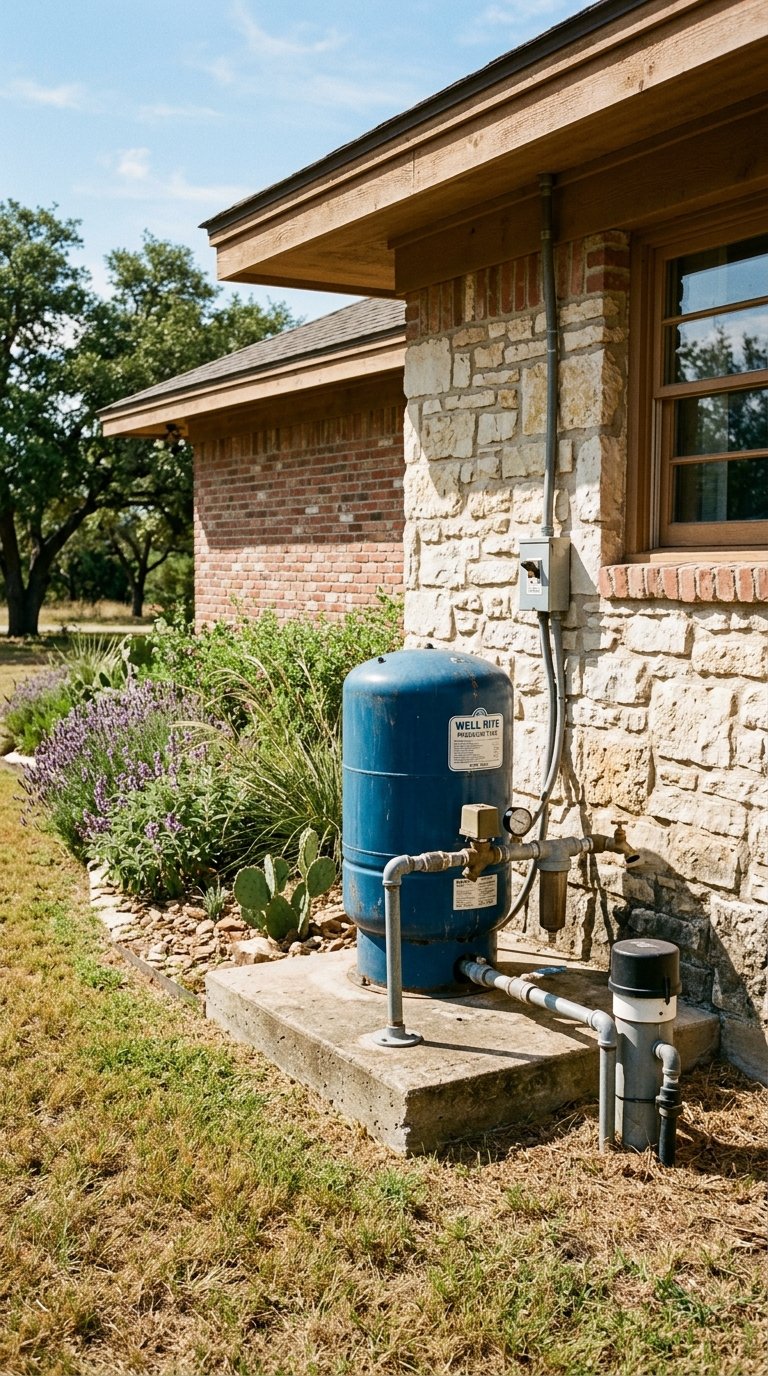
Most rural Waelder lots rely on individual wells and on-site sewage facilities. Well drilling costs depend on depth and yield. Conventional septic systems typically fit larger lots with suitable soils. Some sites require engineered or alternative systems if soils are limiting.
If your tract sits inside Waelder city limits or within utility service areas, public water or sewer may be possible. That requires capacity checks and utility agreements. For larger lot counts or shared systems, additional state-level wastewater rules can apply. Confirm early so your lot sizes and layouts match what is feasible.
7) Submit for review and approvals
Submit your plat and supporting documents to the appropriate authority. If inside city limits or ETJ, follow city procedures. If outside, submit to Gonzales County per county subdivision rules.
Plan for 2 to 8 weeks per review cycle. Multiple rounds are common if there are engineering comments. Address access, drainage, and utility easements thoroughly to keep the clock moving.
8) Record the plat
Once approved, record the final plat with the Gonzales County Clerk. Recording makes new lots legal for sale. Include any easements, dedications, or performance bonds required by the approving body.
Work with your title company to align the recorded plat with lot-by-lot legal descriptions. Lenders often require recorded easements and clear access before issuing commitments.
9) Install required improvements
Depending on conditions of approval, you may need to construct roads, drainage improvements, or utility extensions. Private gravel roads are common in rural projects, but you will likely need a recorded road maintenance agreement. If you want the county to accept a road for maintenance, it must be built to county specifications.
Costs vary widely. Basic gravel sections can be relatively affordable per linear foot compared to paving. Get contractor estimates based on engineered plans.
10) Set deed restrictions and governance
Light deed restrictions can protect value and clarify responsibilities. Common provisions include minimum lot sizes, building setbacks, driveway standards, septic system requirements, and utility easements. Many small projects also record a private road maintenance agreement.
You can keep covenants simple without creating a full HOA. If you prefer formal enforcement and dues, an HOA or property owners association is an option. Draft restrictions with a real estate attorney, specify duration and amendment procedures, and record them with the County Clerk.
11) Prepare marketing and sell lots
Buyers want clarity and confidence. Prepare a clean lot map, recorded plat, lot-by-lot legal descriptions, survey, and any covenants or maintenance agreements. Provide basic utility notes for wells and septic eligibility. Add site photos and an aerial map with an overlay of lots.
Professional marketing can increase exposure and shorten time to contract. Package each lot with an easy-to-print fact sheet, topography notes if available, and a timeline to build. Ensure your title company is ready to issue commitments for individual lots.
Budgeting: typical costs to plan
Actual costs are site specific. The ranges below reflect typical small rural projects in Central Texas.
- Survey, boundary or plat: roughly hundreds to low thousands on simple work. Larger or ALTA-level surveys can be several thousand or more
- Civil engineering and drainage or road design: approximately a few thousand to five figures depending on scope
- Plat drafting and filing fees: a few hundred to a few thousand depending on county and complexity
- Septic suitability tests per lot: several hundred to a few thousand
- Well drilling per lot: a few thousand to five figures based on depth and yield
- Road improvements: from thousands into six figures depending on length and standards
- Utility extensions: variable. Obtain quotes from electric and telecom providers
- Attorney for covenants and closing documents: approximately low to mid four figures
Build a contingency buffer. Engineering comments, road base upgrades, or utility changes can add time and cost.
Access and utilities planning
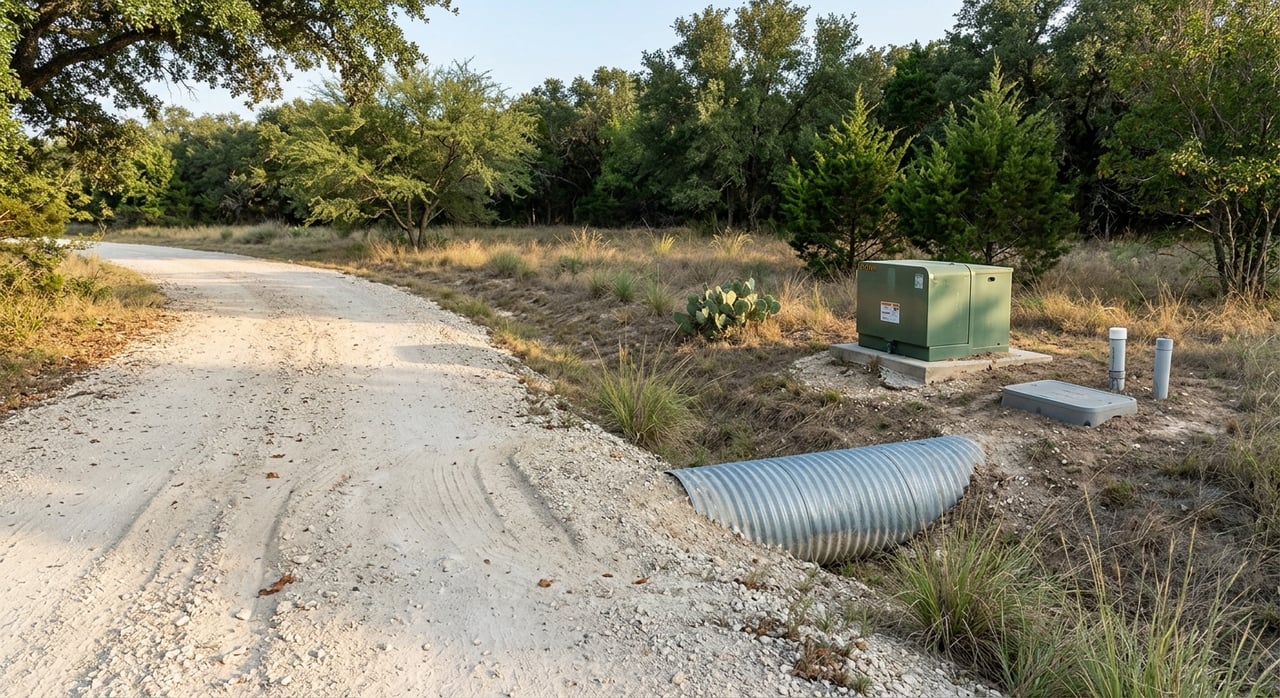
Map your ingress and egress early. Decide whether lots will access a county road or a new private road. Confirm driveway permit needs and sight lines, especially on faster routes. If your frontage is on a state highway, factor in a separate review for access.
Reserve corridors for power and communications. Rural fiber or cable availability changes block by block. Plan overhead or underground easements, and coordinate with the local electric cooperative and telecom providers on timing and costs.
For water and wastewater, align lot sizes with septic feasibility and anticipated well depths. If public utilities are possible, confirm capacity and connection policies during feasibility, not after platting.
Avoid these common pitfalls
- Skipping jurisdiction checks. Always confirm city limits or ETJ so you follow the right plat rules
- Underestimating drainage. Even small projects can trigger comments if runoff is not addressed
- Waiting on utilities. Electric extensions and telecom placements can take longer than expected
- Missing access permits. Frontage on a state highway usually requires a driveway permit and can add weeks
- No maintenance plan. Private roads need a recorded maintenance agreement to satisfy buyers and lenders
What to gather before you start
Use this quick-start checklist to speed up feasibility and save review cycles.
- Deed and any prior survey
- Recent title commitment if available
- Gonzales County tax parcel number and mapping references
- Any recorded easements, leases, or right-of-way documents
- Aerial imagery with rough lot concepts and access points
- Notes on potential floodplain or low areas
- Soil or septic information if available
- Utility contacts and any preliminary extension estimates
- Preferred driveway locations and road alignment ideas
- Intended lot sizes, product type, and target timeline
How the Rodgers Realty Team helps
Subdividing in Gonzales County benefits from local knowledge and strong marketing. Our family-run team is based in Central Texas and specializes in rural lifestyle properties, acreage, and tract or project marketing. We help you sequence the process, connect with trusted surveyors, engineers, and attorneys, and package the property for market.
When you are ready to sell, we deploy premium marketing that fits rural projects. Expect property microsites, drone photography, video, and clear lot-by-lot presentations that make buyers confident. Our goal is to protect your value, streamline approvals with clean documentation, and reach the right buyer pool across Central Texas.
Ready to explore a subdivision plan for your Waelder property? Connect with the Rodgers Realty Team to schedule your free property consultation.
FAQs
How many lots can I create without full subdivision engineering in Gonzales County?
- Thresholds for minor or exempt plats vary by jurisdiction. Confirm with Gonzales County or Waelder early to determine whether your split qualifies as a minor or administrative plat.
Do I need paved roads for a small subdivision near Waelder?
- County and city rules control road standards. Many rural projects use private gravel roads with a recorded road maintenance agreement unless public acceptance is requested.
Can each Waelder lot use its own well and septic system?
- Often yes in rural areas, but feasibility depends on soils, lot size, groundwater, and applicable county or state rules. Some sites require engineered septic systems.
What approvals usually take the longest on Waelder projects?
- Engineering for roads and drainage, state-level access permits for highway driveways, and any public water or wastewater approvals typically extend timelines the most.
Do I need an HOA for a small rural subdivision in Gonzales County?
- Not necessarily. Many small projects use simple recorded covenants and a road maintenance agreement instead of forming an HOA.
Will lenders finance newly created Waelder lots?
- Lenders often want a recorded plat, clear access and easements, and an ALTA-level survey for financed sales. Terms vary by lender and marketability.
Where do I record the plat and covenants for Waelder-area lots?
- After approval, record the final plat and any restrictive covenants with the Gonzales County Clerk to make the new lots legal for sale.