Looking for elbow room without giving up the basics of town life? Around Luling, that balance is a big part of the appeal. You can enjoy a more rural setting, keep space around you, and still stay connected to local services and major travel routes. If you are weighing acreage, privacy, and commute time, this guide will help you think through the tradeoffs. Let’s dive in.
Why Luling Stands Out
Luling has a distinct identity that feels grounded in Central Texas. City information highlights the San Marcos River, Zedler Mill Museum and Park, local oil history, the river trail, Watermelon Thump, and the Luling Foundation Farm as part of the town’s character.
That matters if you want rural living near a place that still feels like a real town. Luling is not just a stop along the highway. It offers a recognizable town center, local history, and community events that give the area a stronger sense of place.
Rural Space With Regional Access
One of Luling’s biggest draws is location. The city describes Luling as a crossroads community and notes that it is less than an hour from Austin and San Antonio. Local economic development messaging also places it between Austin, San Antonio, and Houston at the junction of major highways.
For you, that can mean a property with a quieter, more open feel without being cut off from the larger region. If you need to commute, travel for work, or make regular trips to nearby cities, Luling’s road access is a practical part of the lifestyle.
What Rural Living Around Luling Can Look Like
Acreage near Luling does not always mean a large working ranch. Texas A&M AgriLife guidance notes that small rural tracts are often between 5 and 100 acres, with many under 20 acres. Buyers in that range often want a peaceful homesite, room for gardens, light agricultural use, or a place to hold for family or weekend use.
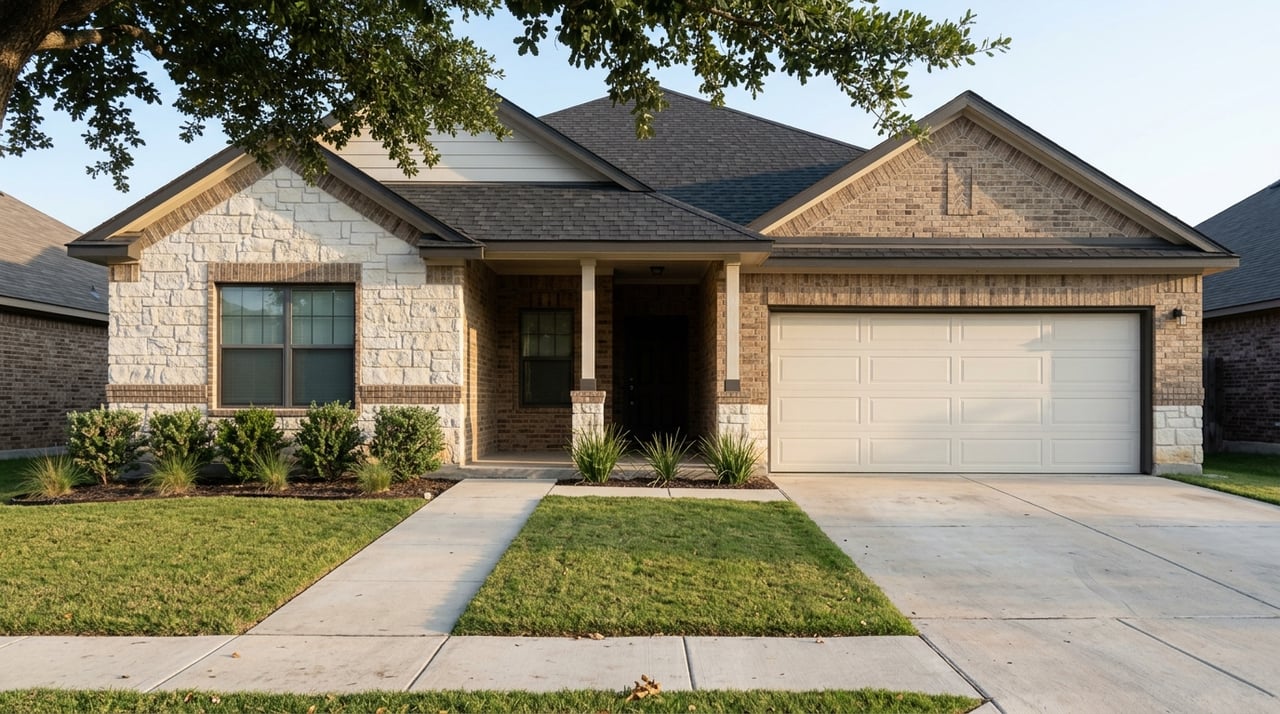
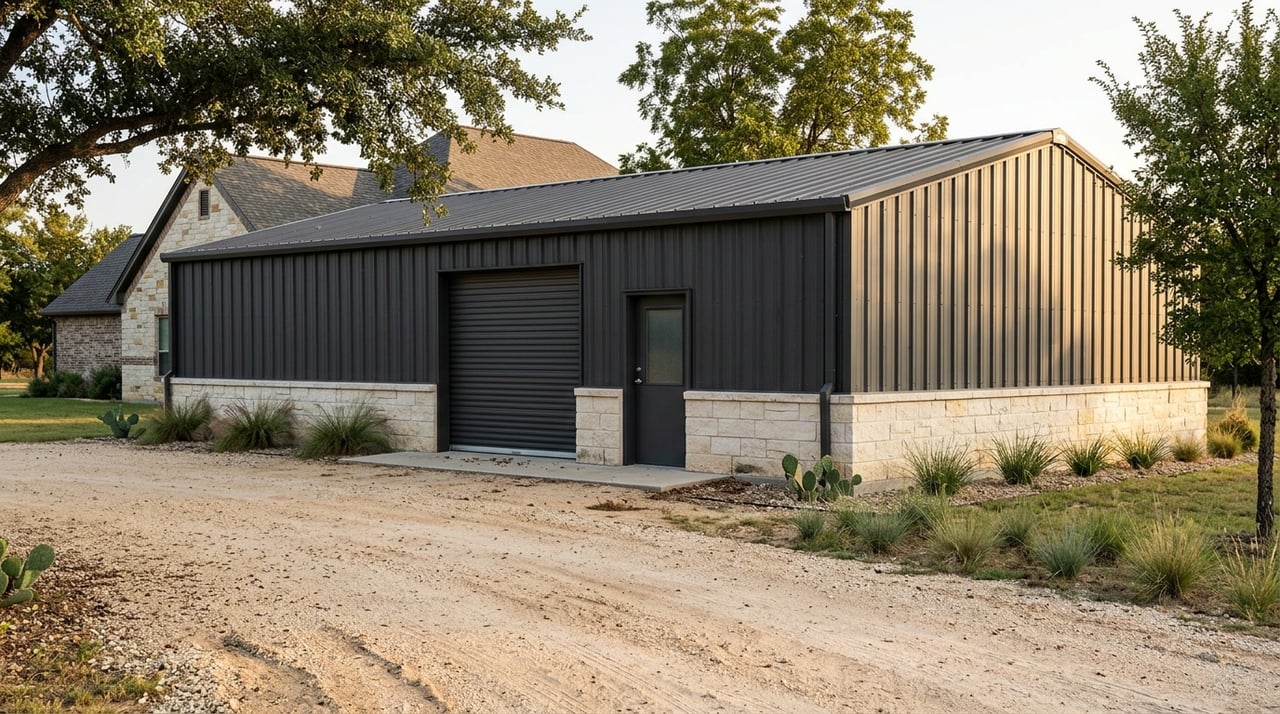
That makes the area a fit for several property goals. Depending on the tract, you may be looking for a full-time homestead, a hobby farm setup, open pasture, a recreational getaway, or a long-term family property.
Common Uses for Luling-Area Acreage
Texas property tax guidance uses a broad definition of agricultural use. Qualifying uses can include growing crops, keeping livestock or poultry, planting cover crops, leaving land idle as part of rotation or a government program, and wildlife management.
For buyers, that means it is reasonable to look at Luling-area acreage as land that may support:
- A rural homesite
- Gardens or small-scale agriculture
- Hobby livestock or pasture use
- Wildlife-oriented land use
- Recreational use
- Long-term family ownership
Local appraisal eligibility depends on the specific tract, so your intended use should always match the property itself. Still, these are normal and practical ways people think about small acreage in this part of Central Texas.
How Much Land Do You Really Need?
This is one of the first questions most buyers ask, and the answer depends on how you plan to use the property. If your goal is mainly privacy and a homesite, a smaller tract may give you the space you want without the upkeep of a much larger parcel.
If you want room for livestock, wildlife management, recreation, or future flexibility, your land needs may change. Texas A&M AgriLife recommends defining your goals early so you can match the property to your actual lifestyle, not just the idea of owning land.
Think Beyond the Acre Count
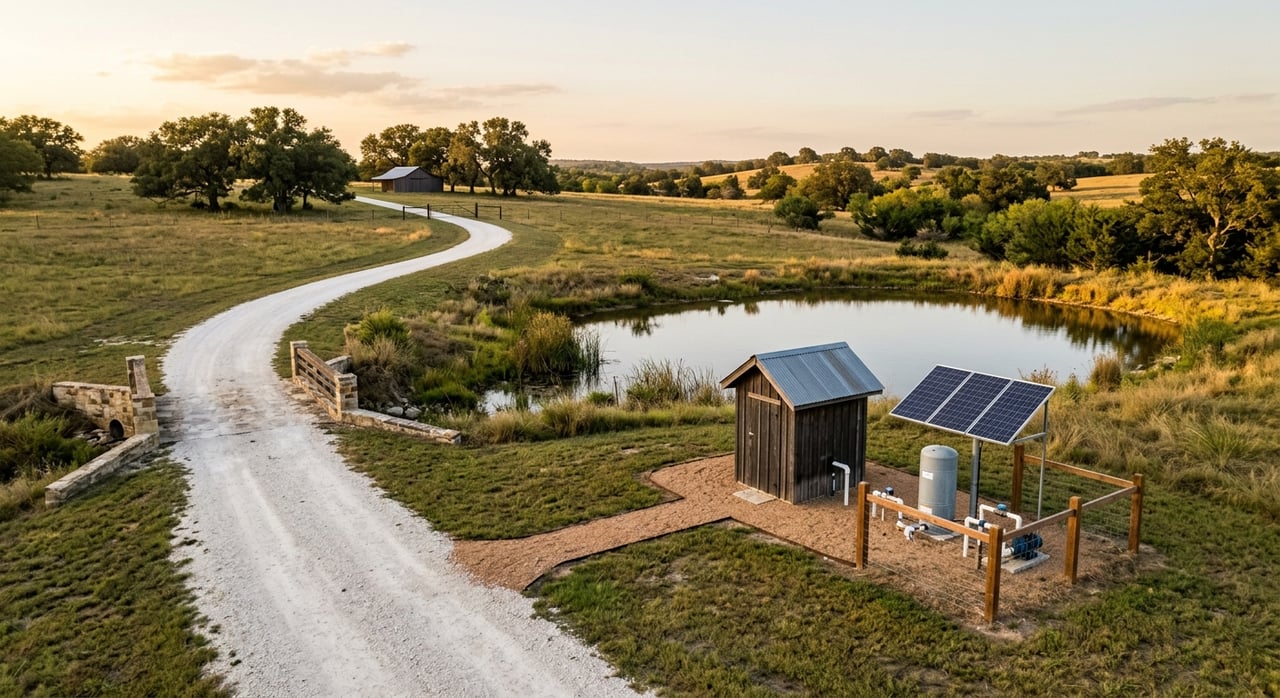
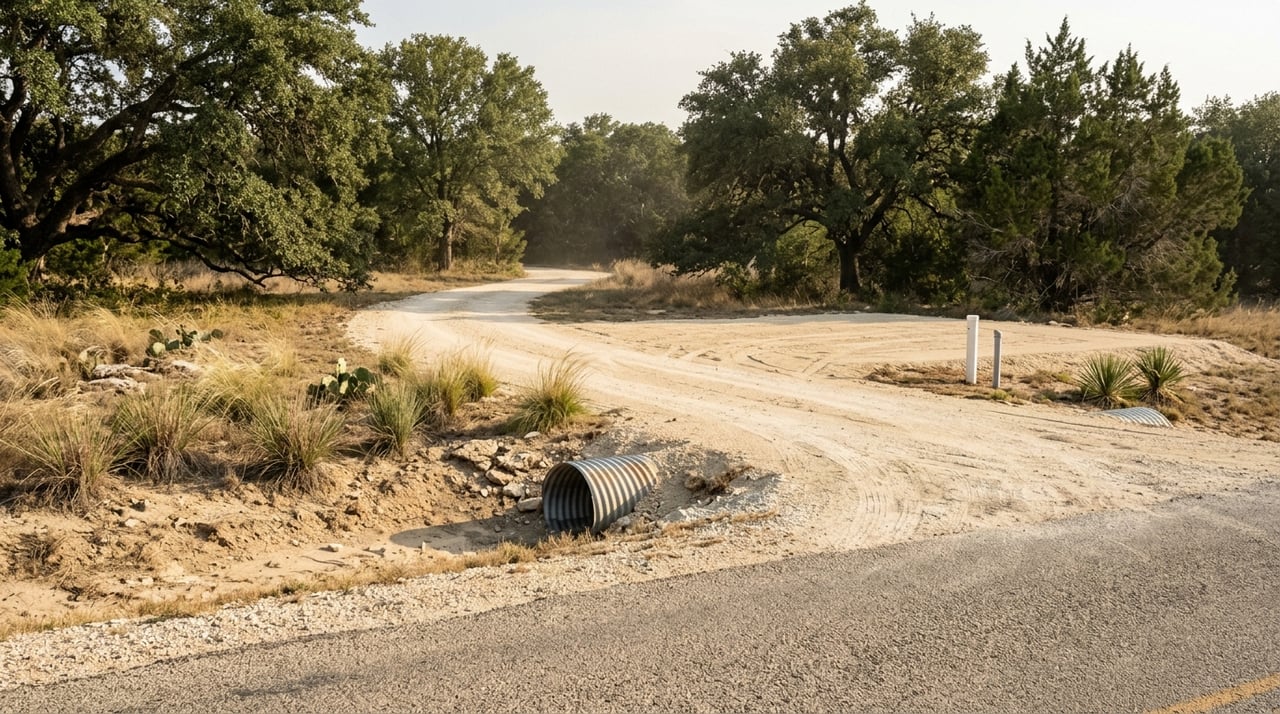
The total number of acres is only part of the picture. Rural land guidance from Texas A&M AgriLife suggests budgeting for practical items like fencing, water systems, access improvements, taxes, and insurance.
That is especially important when you compare properties around Luling. Two tracts with the same acreage can feel very different depending on access, improvements, and how ready the land is for your intended use.
Town Services Still Matter
Part of Luling’s appeal is that rural buyers can stay close to a functioning small-town service base. City resources point residents to utility payments, court services, GIS and maps, parks, a farmer’s market, the police department, and water-quality reporting.
If you live outside town, you may not need to be in the city core every day. But having these routine touchpoints nearby can make rural living more convenient. Simple errands, city information, and local services are still within reach.
Local Support Behind Rural Living
Rural life often feels independent, but it still depends on organized local systems. The city notes that Luling EMS serves southern Caldwell County and part of Guadalupe County. The Caldwell County Appraisal District handles local property search, appraisal, and appeal functions.
That support network matters when you are buying acreage. Even if your property sits outside town, your day-to-day ownership experience still connects to local service structures.
The Feel of Town Near the Land
Luling offers more community activity than some buyers expect from a town its size. The city says Watermelon Thump is a four-day event that can grow the population from about 5,600 residents to more than 50,000 visitors. Local identity also ties back to the San Marcos River, Zedler Mill, the oil museum, and the Luling Foundation Farm.
For you, that can create a nice middle ground. You get the quieter pace and open space of rural living, but you are still near a town with local events, history, and familiar places.
Commute Tradeoffs to Understand
When you look at rural property around Luling, commute time is often less about Luling itself and more about the tract’s connection to major roads. Because the area is shaped by highway access, the location of the property relative to town and the nearest main route can make a big difference.
A tract that feels more private may also mean more drive time for groceries, appointments, activities, and highway access. That does not make it a bad fit. It just means the lifestyle tradeoff should be part of your decision.
Privacy Versus Convenience
Many buyers around Luling are balancing two goals at the same time. They want space, quiet, and a stronger land feel, but they also want a manageable trip to town and an efficient path toward regional job centers.
The right fit usually comes down to your weekly routine. If you commute often, easy road access may rank high on your list. If your priority is privacy and room to spread out, you may be more comfortable giving up a little convenience.
A Simple Way to Compare Properties
If you are shopping around Luling, it helps to compare each property through the same lens. Focus on how the tract supports your real day-to-day use, not just how it looks on paper.
Ask yourself:
- How much land do you actually want to maintain?
- Will you use the property as a full-time homestead, weekend place, or long-term hold?
- Do you want room for gardens, livestock, pasture, or recreation?
- How far are you comfortable driving for errands and highway access?
- What improvements might you need for fencing, water, or access?
Those questions can keep your search grounded and help you spot the difference between a property that is interesting and one that truly fits your life.
Why Buyers Keep Looking at Luling
At a high level, Luling works because it blends open space with practical mobility. You can find rural lifestyle potential here without feeling disconnected from town services or regional travel routes.
That mix is not easy to find. For many buyers, Luling offers a realistic version of country living: more land, more breathing room, a defined town nearby, and a workable path to the places you still need to go.
If you are exploring acreage or rural homesites near Luling, having local guidance can make the search much clearer. The Rodgers Realty Team can help you evaluate land, lifestyle fit, and the practical tradeoffs that come with buying rural property in Central Texas.
FAQs
What is rural living around Luling like for buyers?
- Rural living around Luling often means more space, a quieter setting, and access to a small but active town with local services, community events, and regional highway connections.
What size acreage is common near Luling?
- Texas A&M AgriLife guidance says small rural tracts are often 5 to 100 acres, and many are under 20 acres.
What can you use Luling-area acreage for?
- Common uses may include a homestead, gardens, small-scale agriculture, hobby livestock, pasture, recreation, wildlife management, or long-term family ownership, depending on the tract.
What town services are available near rural property in Luling?
- Luling offers access to routine town services such as utilities information, maps, parks, a farmer’s market, public safety resources, and local property appraisal touchpoints.
What should buyers consider about a Luling commute?
- Around Luling, commute time often depends on how close a property is to town and major highways, so buyers should weigh privacy and space against drive time for errands and regional travel.