Thinking about buying acreage down a private road near Rosanky? Access is one of the most important things to verify on a rural tract, and it is easy to overlook until a problem pops up. You want simple, reliable access that will still be there years from now, with clear rules for upkeep and cost sharing. In this guide, you’ll learn how private road maintenance agreements work, what to review before you buy, and the practical steps to record and protect your access in Bastrop County. Let’s dive in.
Public vs. private roads in Rosanky
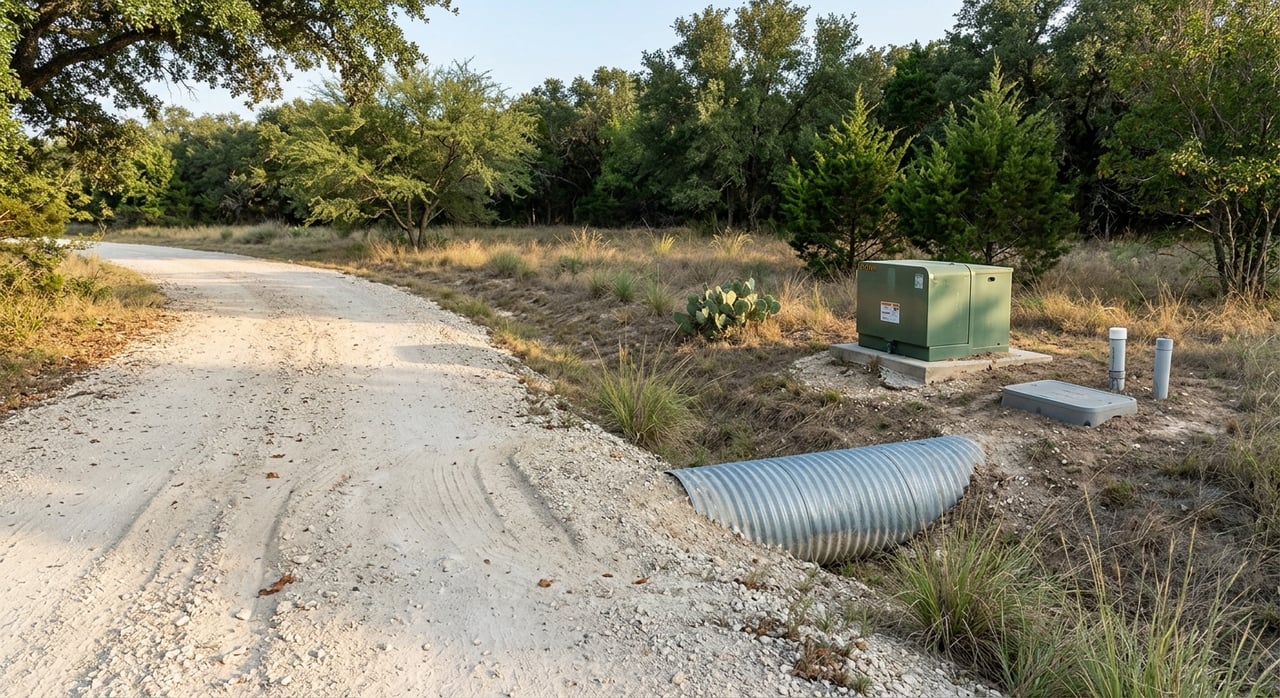
On public roads, the county or the state handles routine maintenance. On private roads, owners or an association are responsible for upkeep, repair, and safety. For you as a buyer, the key is knowing who maintains the road and whether your access is protected by recorded documents.
Before you buy, confirm how the road is classified. Bastrop County Road and Bridge or the County Engineer can tell you if a road is county maintained or private, and what the acceptance standards are if a road might be taken over in the future. Keep that information together with your title and survey records.
How access is secured and recorded
Your legal access should be clear in the public record. Access is usually created through one or more of the following:
- A deed that includes an ingress and egress easement.
- A recorded easement agreement that grants access across another parcel.
- A recorded subdivision plat that shows platted streets or a private road.
- A recorded Private Road Maintenance Agreement, often called a PRMA.
If access rights are not recorded, you risk disputes later if ownership changes or a neighbor objects. Always obtain recorded copies of access documents from the Bastrop County Clerk and make sure the title commitment shows the same rights.
What a PRMA does
A Private Road Maintenance Agreement spells out who maintains a private road or shared driveway, how decisions are made, and how costs are shared. A solid PRMA helps keep the road passable, protects emergency access, and reduces neighbor disputes.
Who is bound by it
The parties are usually the owners who use the road. To bind future owners, the agreement should be recorded against the land and include language that it runs with the land. That way, the obligations transfer automatically when properties sell.
What to include
A practical PRMA usually covers:
- A clear legal description of the road or right of way.
- Specific maintenance standards, including drainage, surface material, minimum width, and expectations for keeping the road passable for emergency vehicles.
- A budget and process for routine work versus capital repairs, with notice and voting procedures.
- Default remedies for nonpayment, such as late fees or lien rights, subject to legal review.
- Liability insurance for the association or responsible party, plus contractor insurance requirements.
- Dispute resolution steps and how to amend or terminate the agreement.
Include a plan for reserve funds so you are not scrambling when a culvert fails or the surface needs reconstruction. If the PRMA mentions assessment liens or similar remedies, have a Texas real property attorney review the language for enforceability.
Cost sharing that works
There is no single right way to split costs, but the agreement should be fair and understandable. Common approaches include:
- Equal shares per lot, which is simple for small groups.
- Pro rata by frontage or by acreage, useful if tracts vary in size.
- Use-based shares, where heavy or commercial users pay more.
- Hybrid formulas, such as a base fee plus a usage-adjusted portion.
Spell out how initial construction, routine maintenance, and major repairs will be handled. Many groups also allow special assessments for big projects and amortize them over time.
Due diligence checklist before you buy
Use this checklist to avoid surprises and set up a smooth closing:
Recorded documents
- Get the deed, any ingress and egress easements, any PRMA, restrictive covenants, and the subdivision plat if one exists.
- Review the title commitment for access rights and exceptions.
Road condition
- Drive the road in different weather and after rain. Take photos.
- If condition is questionable, seek a site visit or engineering opinion, especially if heavy equipment will use the road.
Survey and legal description
- Obtain a current survey showing the easement location, width, and any encroachments. Many lenders and title companies will require this for rural properties.
Financial history
- Ask for minutes, budgets, prior invoices, and the balance of any road fund or association account.
- Learn how past repairs were funded and whether owners have paid on time.
Enforcement and disputes
- Read the remedies for nonpayment and check county records for liens or lawsuits related to the road.
Emergency access
- Confirm requirements with local fire or EMS, including turnarounds and surface standards.
- Check that the road meets insurance carrier access expectations.
County and regulatory checks
- Verify with Bastrop County whether any portion of the road is public or if there are plans to accept it.
- Confirm that any platting was done correctly and whether county development rules apply.
Lender and title requirements
- Ask your lender about access documentation and maintenance standards.
- Confirm with the title company what they need to insure access and any endorsements available.
Drafting and recording tips in Bastrop County
When you are creating or updating a PRMA, focus on clarity and recording:
- Use a precise legal description, with metes and bounds or a reference to the recorded plat, and include a map or survey that shows the road location and width.
- Name all current owners who use the road and include language that binds successors and assigns.
- Define maintenance clearly, including drainage and minimum standards for emergency vehicles.
- Establish a budgeting and notice process, timelines for payments, and consequences for delinquency.
- Require liability insurance and set expectations for contractor coverage.
- Describe how owners can amend or terminate the agreement and what happens if the county later accepts the road.
Record the PRMA with the Bastrop County Clerk and make sure it is indexed under the owner names and property descriptions. Obtain a recording receipt and instrument number, deliver copies to all owners and lenders, and have your title commitment updated to reflect the recorded agreement.
Governance and funding options
There are several ways to organize maintenance responsibilities:
- Informal arrangements are low cost but risky for future owners because they are often unrecorded.
- A recorded PRMA among owners is common for a few tracts and can be tailored to local needs.
- A formal road association, either unincorporated or set up as a nonprofit, supports a bank account, systematic assessments, and clearer enforcement.
- An HOA, if present in a subdivision, may already manage roads and assessments under recorded covenants.
Funding usually comes from annual fees, reserve contributions, and special assessments for major work. Loans or bonding are rare but possible if a formal association exists.
Liability, safety, and insurance
Private road users may face liability if poor maintenance causes an injury. Reduce risk by:
- Maintaining general liability insurance for the road association or responsible entity.
- Requiring contractors to carry appropriate insurance.
- Following maintenance standards that keep the road safe and passable for emergency vehicles.
Ask to see current policies, limits, and renewal schedules. Good documentation supports better risk management and smoother claims handling if something happens.
Lender and title expectations
Some lenders will not finance a rural tract without recorded access and a reliable plan for maintenance. Title companies often require a current survey that shows easement boundaries and may request evidence of a PRMA or similar agreement. Clarify these requirements early so you have time to secure missing documents or record updates before closing.
Practical steps for Rosanky buyers
Follow these steps to move from interest to confidence:
- Pull recorded access documents from the Bastrop County Clerk.
- Order a current survey that maps the road and easements.
- Review the title commitment and ask about endorsements related to access and maintenance agreements.
- Request road budgets, invoices, and reserve balances from the owner group or seller.
- Confirm emergency access standards with local fire or EMS and note any recommended upgrades.
- If the PRMA needs work, coordinate updates and record the agreement before closing.
- Consider setting up or joining a formal road association if multiple parcels share a long private road.
Work with a local guide
Private road details can be the difference between a smooth country lifestyle and an ongoing headache. With rural transactions, you want a team that knows the Bastrop County process, can spot gaps in access documentation, and can coordinate survey, title, and recording without drama.
If you are weighing a Rosanky tract on a private road, we can help you review access, assess road conditions, and coordinate the right steps with the county, title company, and your lender. Reach out to the Rodgers Realty Team to talk through your goals and get a clear plan for due diligence and closing.
FAQs
What is a Private Road Maintenance Agreement?
- A PRMA is a recorded agreement among owners that defines who maintains a private road, how costs are shared, and how decisions are made.
How do I know if a road is public or private in Bastrop County?
- Contact Bastrop County Road and Bridge or the County Engineer to confirm whether the county maintains the road and learn any acceptance standards.
What documents should I review before buying land on a private road?
- Obtain the deed, any access easements, the PRMA, any plat or covenants, and a title commitment that shows recorded access rights and exceptions.
How are private road costs shared among owners?
- Agreements commonly use equal shares, frontage-based shares, acreage-based shares, use-based formulas, or hybrids that combine a base fee with usage.
Do lenders require a recorded easement or PRMA?
- Many lenders require recorded access and a reliable maintenance plan, and title companies often require a current survey that shows the easement.
Who carries liability for a private road?
- Owners or the road association typically carry general liability insurance and should maintain the road to standards that allow safe emergency access.
Where do I record a PRMA in Bastrop County?
- Record the agreement with the Bastrop County Clerk, ensure proper indexing under owners and legal descriptions, and update the title commitment afterward.