Looking for a place that feels quieter, simpler, and a little more spacious than the fast pace of bigger Central Texas cities? Marion, TX may be exactly the kind of small-town setting you have in mind. If you are thinking about moving here, this guide will help you understand what daily life, housing options, and local services really look like so you can decide if Marion is the right fit for you. Let’s dive in.
Why Marion Feels Different
Marion is a small incorporated town in Guadalupe County on FM 78, about 11 miles west of Seguin. According to the Texas State Historical Association, Marion was laid out in 1877 as a railroad community and had established local businesses and institutions by the mid-1880s. That long history still shapes the town’s modest scale today.
The town is small in both population and footprint. The Texas State Historical Association lists Marion’s 2020 population at 1,034, with a land area of about 0.78 square miles. That means when you move to Marion, you are not moving into a large suburban buildout. You are moving into a true small town.
For many newcomers, that is the main draw. Marion offers a slower pace, quieter streets, and a rural edge while still sitting within the San Antonio-area region, as noted by the Texas Municipal League. If you want room to breathe without feeling totally isolated, Marion stands out.
What Daily Life in Marion Looks Like
Life in Marion is more about practicality and community-scale living than nonstop entertainment. You are more likely to appreciate the ease of a smaller town than expect a long list of urban-style amenities. That can be a real advantage if your priorities are space, simplicity, and a manageable day-to-day routine.
One of the clearest local gathering points is the Marion Community Library. The library serves Marion, New Berlin, Santa Clara, Cibolo, and greater Guadalupe County, and it hosts recurring book clubs, quilting, story time, and family fitness programming. For a town this size, that kind of regular activity says a lot about community life.
Marion also has visible local government functions in town. The Texas Municipal League directory lists city hall, a city secretary, a utility and public works director, a police chief, and a municipal court. For you as a resident, that suggests Marion is not simply a name on a map. It functions as a local-services town with its own civic structure.
Housing Options in Marion
If you are picturing only one kind of housing in Marion, think again. Current listing data shows a market that is mostly single-family homes, but it also includes land, acreage, and manufactured-home options. That variety is part of what makes Marion appealing to different types of buyers.
Zillow currently shows 199 single-family home listings, 12 land listings, and 15 mobile or manufactured home listings for Marion. Realtor.com shows 402 active listings, with a median listing home price of about $300,000, median days on market of 76, and median rent of $1.8k. While inventory changes over time, the broader pattern is clear: Marion gives you more than one path into homeownership.
In-Town and Subdivision Homes
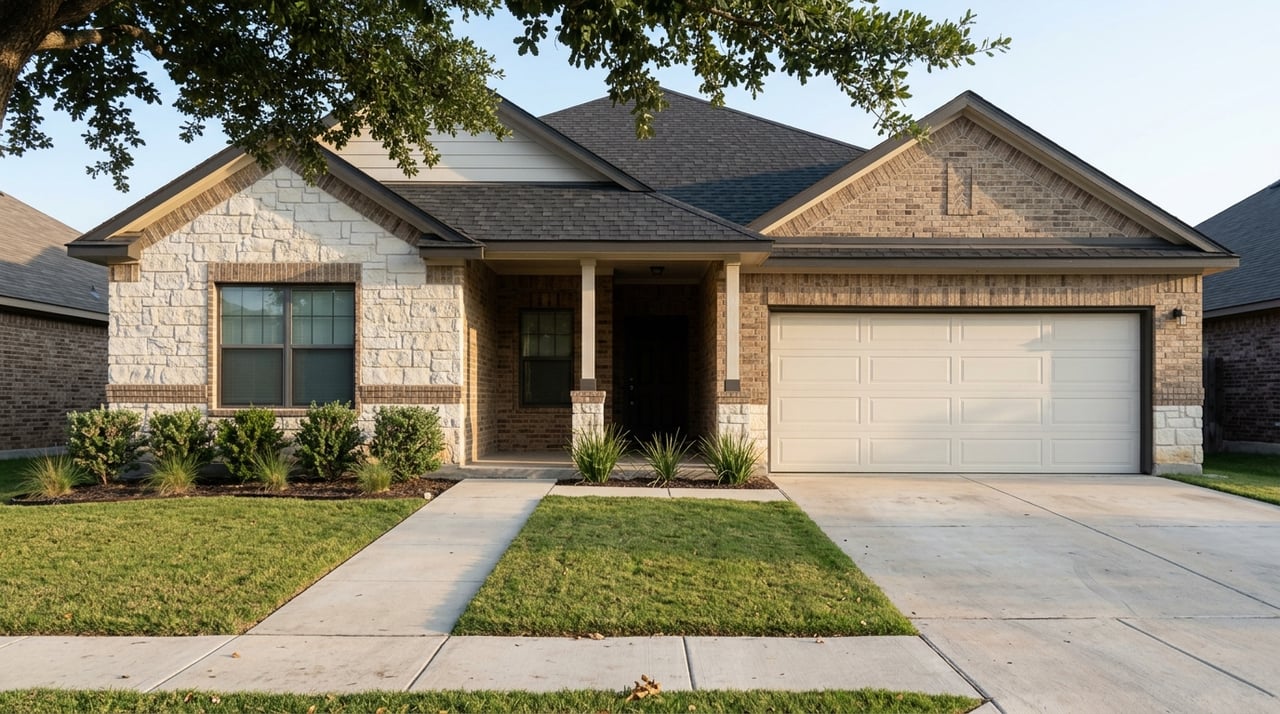
Some buyers want a more traditional neighborhood setup with a manageable lot and a standard residential layout. Marion does offer that option. Current listings include in-town and subdivision-style homes, including new construction.
Both Zillow and Realtor.com show multiple new-construction homes in Marion, including homes in the low-to-mid $200,000 range. If you want newer finishes and a more straightforward ownership experience, this part of the market may be worth your attention.
Manufactured Homes on Land
Another common option in Marion is manufactured housing on larger lots. Current listings include properties such as a 3-bedroom, 2-bath manufactured home built in 2008 on 1 acre, along with other manufactured or mixed-type homes on similarly sized parcels. That setup can give you more outdoor space at a different price point than some site-built homes.
This kind of property can be especially useful if you value elbow room and flexibility. At the same time, it is smart to evaluate each property carefully for access, utilities, condition, and any planned improvements.
Land and Acreage
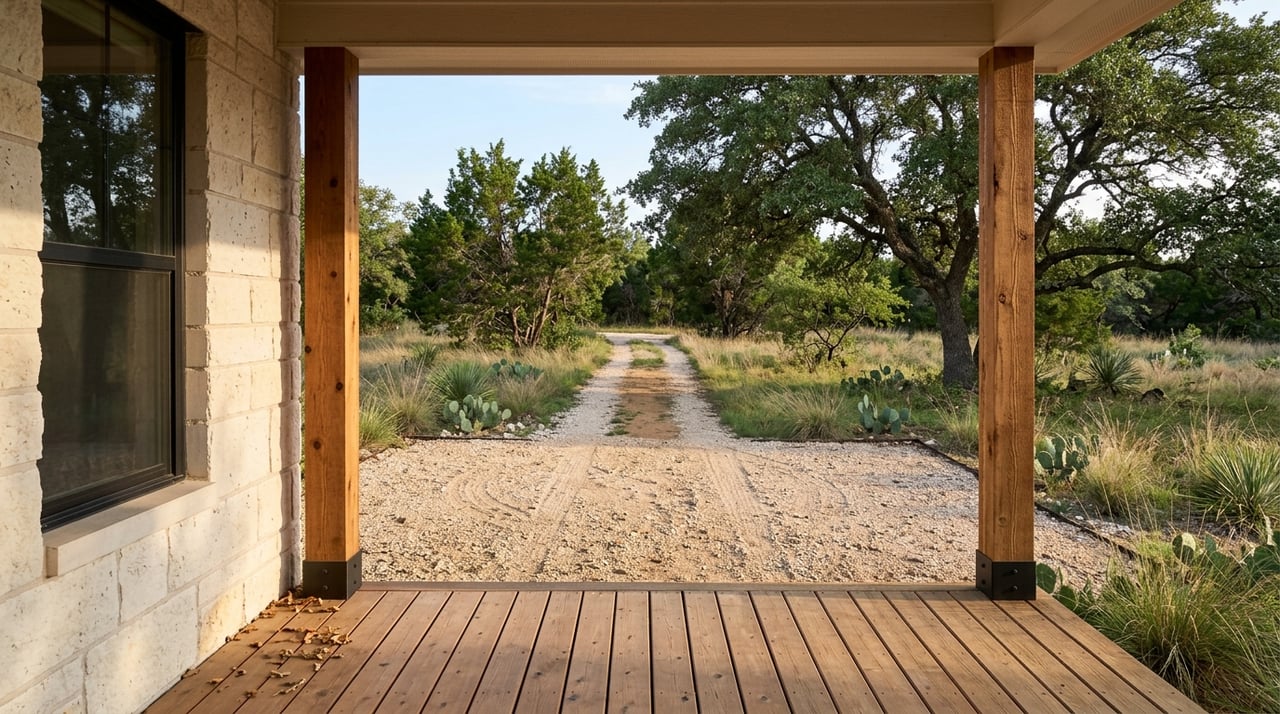
If your goal is to build, spread out, or hold land for the future, Marion also offers raw land and acreage. Realtor.com shows parcels from roughly 1 acre to nearly 40 acres, while Zillow’s land listings include tracts from about 1 acre to more than 100 acres. That creates options for buyers who want more than a standard house-and-lot setup.
For a team like Rodgers Realty Team, this is where Marion gets especially interesting. Buyers looking at land or larger tracts often need practical guidance on how a property fits their plans, whether that means building later, creating more privacy, or simply finding room to live differently.
Is Marion More Rural or More Neighborhood?
The honest answer is both, depending on the property you choose. Marion is not defined by a large historic downtown housing stock, and it is not just one big subdivision either. Based on its current inventory, town size, and history, Marion offers a blend of small-town subdivision living and rural-lot living.
That flexibility matters because it gives you choices. You can look for something closer to a neighborhood feel, or you can focus on homes and land with more separation and open space. Your experience in Marion will depend a lot on which side of that mix fits your lifestyle best.
What Newcomers Should Know About Building
If you are thinking about building a home, adding a structure, or remodeling after you buy, Marion’s local building rules are important. The city has adopted the 2015 International Building, Residential, Plumbing, Mechanical, Fire, Fuel Gas, and Energy Codes. It also requires permits, contractor registration with proof of liability insurance, inspections at each phase, and a final certificate of occupancy before a building can be occupied.
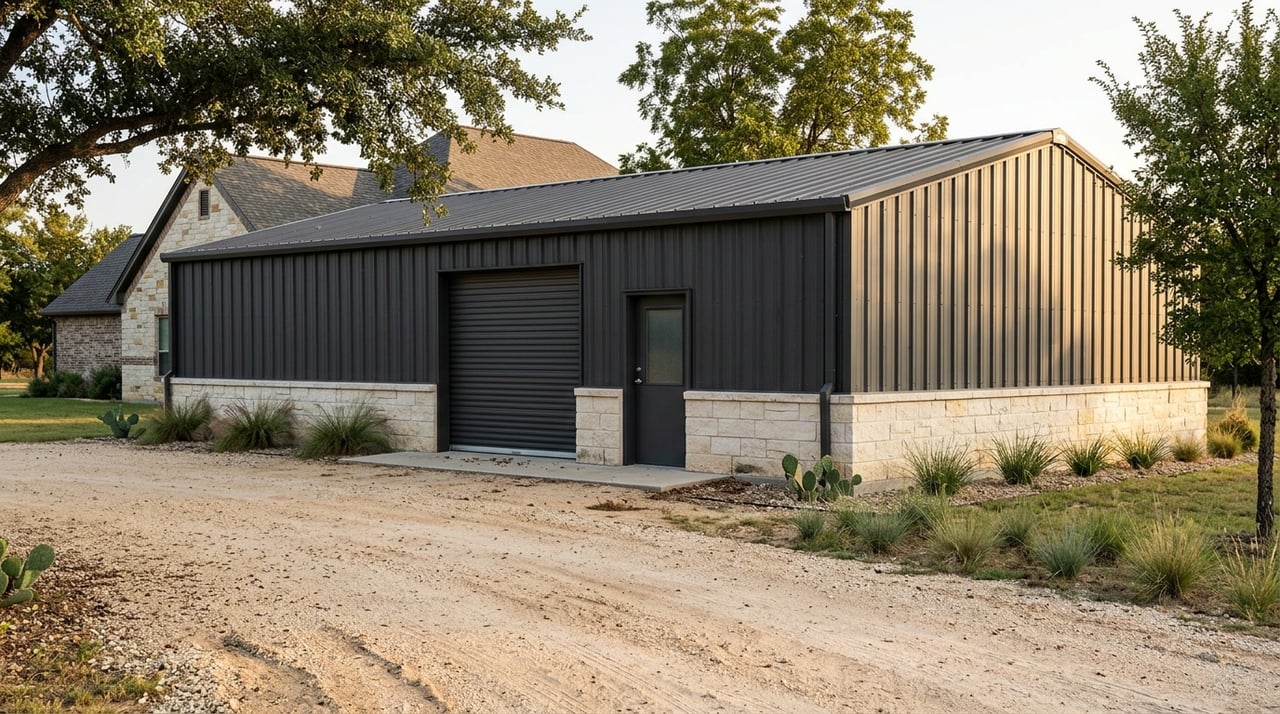
That means you should not assume a project can start informally. If your move to Marion includes plans for a workshop, home addition, or new build, you will want to understand the local process early. A little preparation on the front end can save you time and frustration later.
Utilities and Ownership Costs
City services play a meaningful role in Marion. The city’s budget materials include a utility fund for water and wastewater, along with funding for park repair and maintenance. For you as a homeowner, that is a reminder that local infrastructure is part of the ownership picture.
This is especially important if you are comparing different property types. A home in town may come with a different set of service expectations than a property with a more rural feel. When you compare options, it helps to look beyond the purchase price and think about the practical side of living there.
Who Marion May Fit Best
Marion tends to make sense for buyers who value a quieter place to live and are comfortable with a mix of small-town services and rural tradeoffs. It may also appeal to people who expect to commute to Seguin or other nearby parts of the broader San Antonio-area market. The setting is less about polished urban convenience and more about practical space and flexibility.
You may feel especially at home in Marion if you are looking for:
- A small incorporated town rather than a large suburban development
- More than one housing type to choose from
- The possibility of land or acreage
- A quieter daily pace
- A community setting with local services and a clear civic identity
If that sounds like your priorities, Marion deserves a closer look.
Why Marion Stands Out in Guadalupe County
What makes Marion memorable is not flash. It is the combination of history, small scale, and housing flexibility. In a market where many buyers are trying to balance affordability, space, and access to nearby job centers, Marion offers a practical alternative.
For some buyers, the appeal will be a newer home in a small-town setting. For others, it will be a manufactured home on land or a tract that gives them room to build over time. That range is what gives Marion its personality.
If you are moving with a rural-lifestyle mindset, Marion can be especially appealing because it offers a transition point between neighborhood living and wider-open land choices. That is often where local guidance becomes most valuable.
If you are considering a move to Marion or want help comparing homes, land, and acreage options across Guadalupe County, the Rodgers Realty Team is here to help you navigate the details with clear, local guidance.
FAQs
What kind of homes can you find in Marion, TX?
- Marion listings include mostly single-family homes, along with land, acreage, and some mobile or manufactured-home options.
Is Marion, TX a true small town or just a subdivision area?
- Marion is a true incorporated small town in Guadalupe County, with its own local government functions and a long history dating back to 1877.
Are there community activities in Marion, TX?
- Yes. Marion Community Library offers recurring programs such as book clubs, quilting, story time, and family fitness activities.
Can you build or remodel a home in Marion, TX?
- Yes, but the city requires permits, contractor registration, inspections at each phase, and a final certificate of occupancy before occupancy.
Is Marion, TX a good fit if you want land?
- Marion may be a strong fit if you want land or acreage, since current listings include parcels ranging from about 1 acre to more than 100 acres.