Thinking about buying acreage in Dale? The land may look simple at first glance, but utilities can quickly become one of the biggest parts of your decision. If you are comparing rural properties, understanding water, septic, and electric service can help you avoid delays, surprise costs, and closing risks. Let’s dive in.
Why utilities matter on Dale acreage
When you buy acreage around Dale, you are often evaluating three separate systems instead of one standard setup. You may need to confirm the water source, wastewater disposal, and electric access for the exact tract, not just the general area.
That tract-by-tract approach matters in Caldwell County. Septic permitting is handled locally, groundwater rules can vary by district, and Bluebonnet Electric serves Dale, but service details still need to be verified for the specific parcel.
Water in Dale: public service or private well
Some acreage tracts may have access to public water, while others depend on a private well. A utility record for Dale WSC exists in Caldwell County, but that does not automatically mean your tract has active or available service.
Before you move forward, confirm serviceability for the exact parcel. A nearby line or a Dale mailing address is not enough to assume water is ready to go.
How private wells are handled
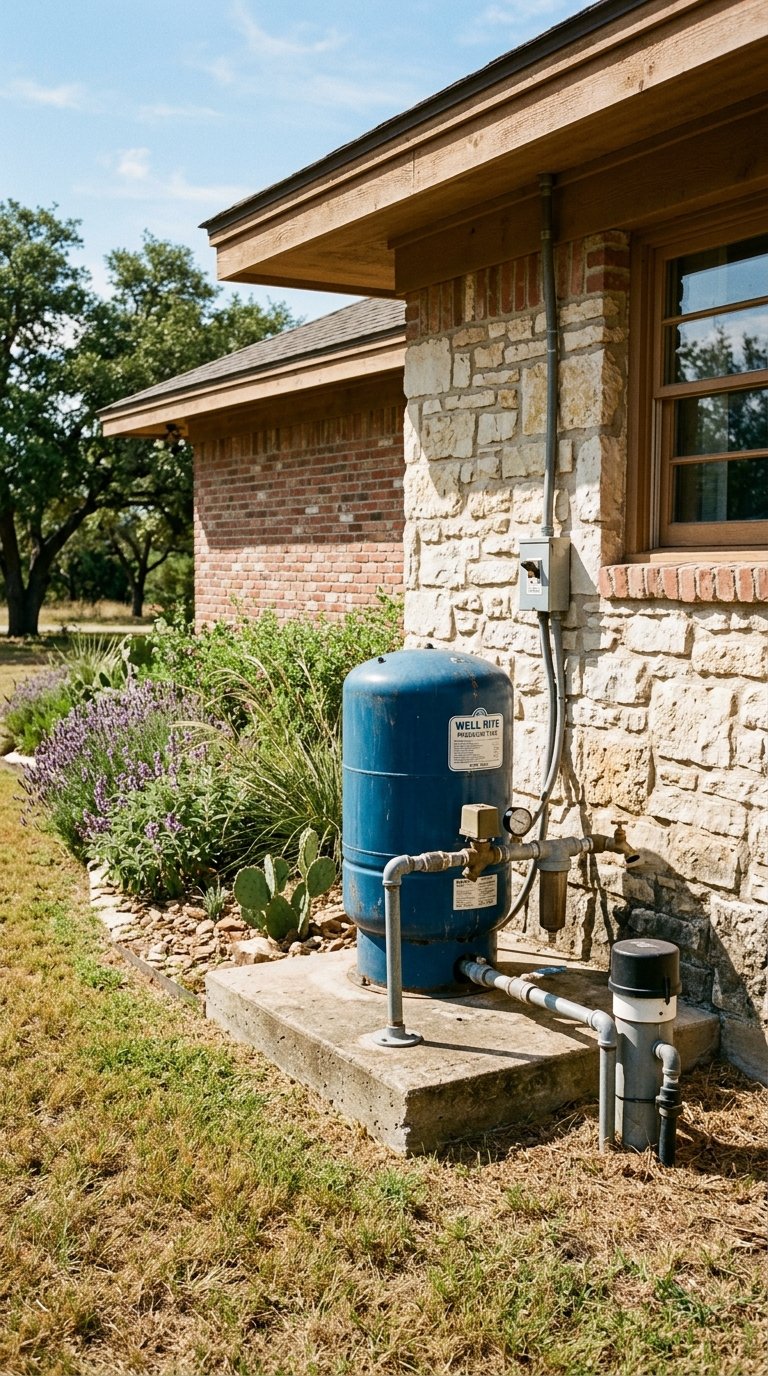
Private wells are a common part of rural land due diligence in this area. In Texas, private well owners generally do not have to register wells with the state unless the property is inside a groundwater conservation district.
If a new well is drilled, the driller or landowner must submit a State of Texas Water Well Report. That report can help you confirm basic facts about the well and compare them to what is actually on the property.
Check the groundwater district first
Caldwell County is split among groundwater districts. Plum Creek Conservation District covers Caldwell County and part of Hays County, and the Gonzales County Underground Water Conservation District states that it includes about 77,440 acres in Caldwell County.
Because of that split, you should verify the parcel on the groundwater district map before assuming any well registration, spacing, or local rules apply. This is one of those details that can change from tract to tract.
What to review for an existing well
If the property has a well, pull the water well report and compare it to the actual improvements on site. The report tools can help identify:
- Owner
- Date drilled
- Well depth
- Proposed use
This can give you a clearer picture of whether the records match the well you are buying. It is also wise to work with a licensed water well driller and pump installer when inspecting or planning repairs.
Water quality is your responsibility
Private well water quality is not regulated by the state in the same way public water is. That means testing is an important part of your due diligence.
A common baseline test includes:
- Total coliform bacteria
- Nitrates
- Total dissolved solids
- pH
Annual testing is a smart expectation for private well ownership. If taste, odor, or color changes show up, or if the household includes someone with greater health sensitivity, more frequent testing may be appropriate.
Septic in Dale: what buyers should know
For acreage in Dale, septic is not a side issue. It can affect whether a home can be built, what kind of system is allowed, and how much time and money you may need before construction starts.
In Caldwell County, the local Sanitation and Development Services office handles septic permits, inspections, complaints, platting, and related site construction issues. That local office is the authority buyers should look to for OSSF requirements on Dale acreage.
Site evaluation comes first
A septic permit is issued after a site evaluation determines soil type and suitability. That evaluation helps decide what kind of system can be installed on the property.
If the site has Type 1a soil, lies in the floodplain, or is in a subdivision limited to engineered systems, the septic system must be designed by an engineer or registered sanitarian. In other words, the land itself helps drive the system type and cost.
Documents to request before closing
If a tract already has a septic system or has been prepared for one, ask for the paperwork early. Caldwell County’s application packet lists several items tied to permit issuance and approval.
Request copies of:
- Septic permit
- Approved plan
- Site evaluation
- Approved 911 address
- Proof of ownership if relevant to the file
- Tax statement if included in the file
- Affidavit, if required
- Maintenance contract, if required
Missing records should be treated seriously. In rural transactions, utility and permit paperwork is often tied directly to cost, timing, and risk.
Septic timing and fees
Caldwell County notes that it typically needs a five-day review period after complete submittal materials are received. Once approved, the permit is valid for one year, and 24-hour notice is required before inspection.
The county packet lists these typical fees:
- $400 for a regular conventional single-family system
- $450 for an engineered system
- $100 for tank replacement
- $200 for re-work of existing drain fields
Those are not the only costs to think about. Maintenance contracts, routine repairs, replacement parts, and the type of system selected can all affect long-term ownership costs.
Electric service on Dale acreage
Electric access can look straightforward until you dig into the details. Bluebonnet Electric serves Dale, and its service materials identify Dale as one of the communities in its coverage area.
Still, the key question is not just who serves the area. The real question is what it will take to get power to your homesite.
The line extension may be the biggest variable
For many rural properties, the major electric cost is not the monthly bill. It is the line extension and site setup needed to reach the meter location.
Bluebonnet’s materials show that buyers or property owners may need to confirm easements, call Texas811 before construction, provide required underground materials, and pay for the service line from the pad-mounted transformer to the meter. For underground work, open-ditch inspections are required for Bluebonnet-owned facilities, and trenches must remain open until approved.
Questions to ask about electric service
Before you close, get specific about the setup. Ask whether the tract already has electric service at the homesite or whether it will need additional work.
Key questions include:
- Is there an existing meter in place?
- Will a new transformer be needed?
- Is trenching required?
- Will service be overhead or underground?
- Who is responsible for easements?
- Who handles clearing or road crossings?
These details can change both your timeline and your budget.
Utility-side fees and timing matter too
Bluebonnet’s developer materials note that cost estimates are valid for 60 days. A design or re-design fee of $50 per hour may apply, right-of-way clearing for overhead facilities may cost $10 per linear foot, and a maintenance fee of $1 per linear foot of trench may apply.
The same materials also note that easements may need to be provided and that contribution-in-aid-of-construction may be required for Bluebonnet’s construction costs. That is why a written electric extension estimate is so important before closing.
A practical Dale acreage checklist
If you want a cleaner path to closing, keep your due diligence focused on the actual tract. A solid checklist can help you spot missing information before it turns into a bigger issue.
Use this list as a starting point:
- Verify the exact water source for the parcel
- Get the well report if a well exists
- Confirm the parcel’s groundwater district
- Order a private well water test before closing
- Ask for the septic permit, site evaluation, approved plan, and related records
- Confirm whether a maintenance contract is required for the septic system
- Get a written electric extension estimate
- Confirm easements before closing
If any of these records or answers are missing, do not treat that as minor paperwork. On rural land, missing utility information can directly affect usability, cost, and timing.
Why tract-level due diligence protects you
Acreage buyers are often drawn to the space, privacy, and flexibility that come with rural property. In Dale, those benefits are real, but they come with a need for more detailed verification than you might expect in a typical in-town purchase.
The central takeaway is simple: well, septic, and electric systems are part of the property’s value. They are also part of your risk, your timeline, and your budget. The more clearly you verify each one before closing, the more confidently you can move forward.
If you are weighing acreage options around Dale and want practical guidance on what to verify before you buy, the Rodgers Realty Team is here to help you sort through the details and move with confidence.
FAQs
What should you verify about water service on Dale acreage?
- You should confirm whether the exact tract has public water availability or relies on a private well, then review the well report if a well exists.
What should you ask for about a septic system on Dale acreage?
- You should request the septic permit, approved plan, site evaluation, approved 911 address, and any required maintenance contract or affidavit tied to the system.
What makes electric service costs different on Dale acreage?
- The biggest variable is often the line extension, which can involve easements, trenching, transformers, clearing, road crossings, and other setup costs beyond the monthly utility bill.
Why does the groundwater district matter for a Dale property?
- Caldwell County is split among groundwater districts, so the parcel’s location may affect well-related rules such as registration or spacing requirements.
When should you test a private well on Dale acreage?
- You should test before closing and plan for at least annual testing afterward, with baseline checks that include bacteria, nitrates, total dissolved solids, and pH.